
Featuring built works

La Promenade J&K House
This home curated by J HOUS Studio embraces a minimalist Nordic aesthetic while remaining warm and inviting, giving the newlyweds a serene retreat from their busy routines. Designed with intention, it balances quiet intimacy with spaces that welcome friends and family. At its heart is an open kitchen and dining area, where functionality meets style, allowing for shared cooking, lively dinners, and beautifully curated gatherings.
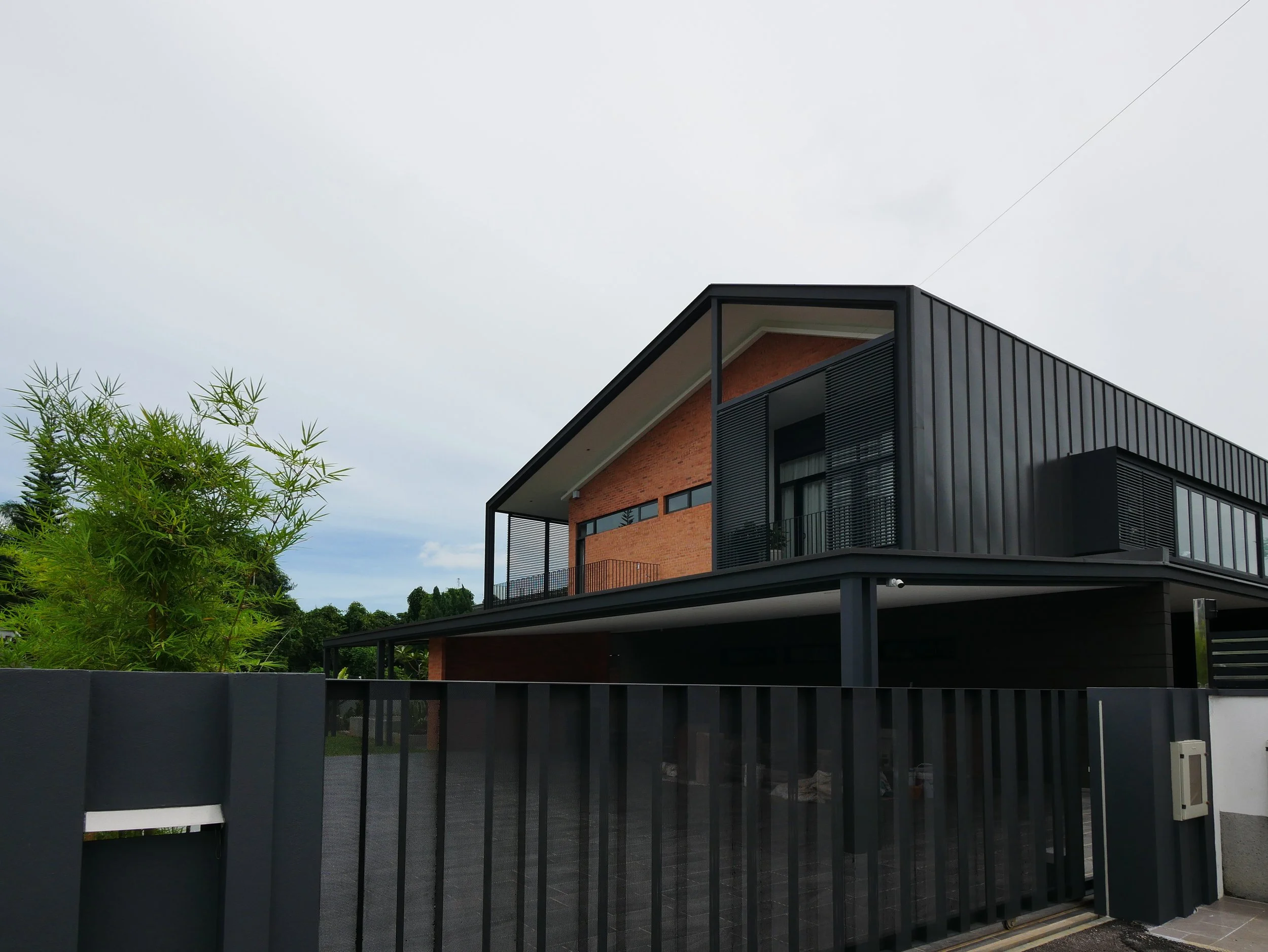
Meadows Bungalow
The Meadows Bungalow by SML Architects was designed to fulfill a family’s longing for a home connected to nature after years in apartments. The client wanted spaces where children could enjoy pets, plants, water, and fresh air, while still maintaining apartment-like comforts such as safety, minimal maintenance, and air-conditioning. The house balances openness and privacy, with flowing ground-floor spaces, a central green courtyard, and transitional terraces that connect indoors with gardens. Wrapped in zincalume for durability, the design nurtures family life while embracing nature
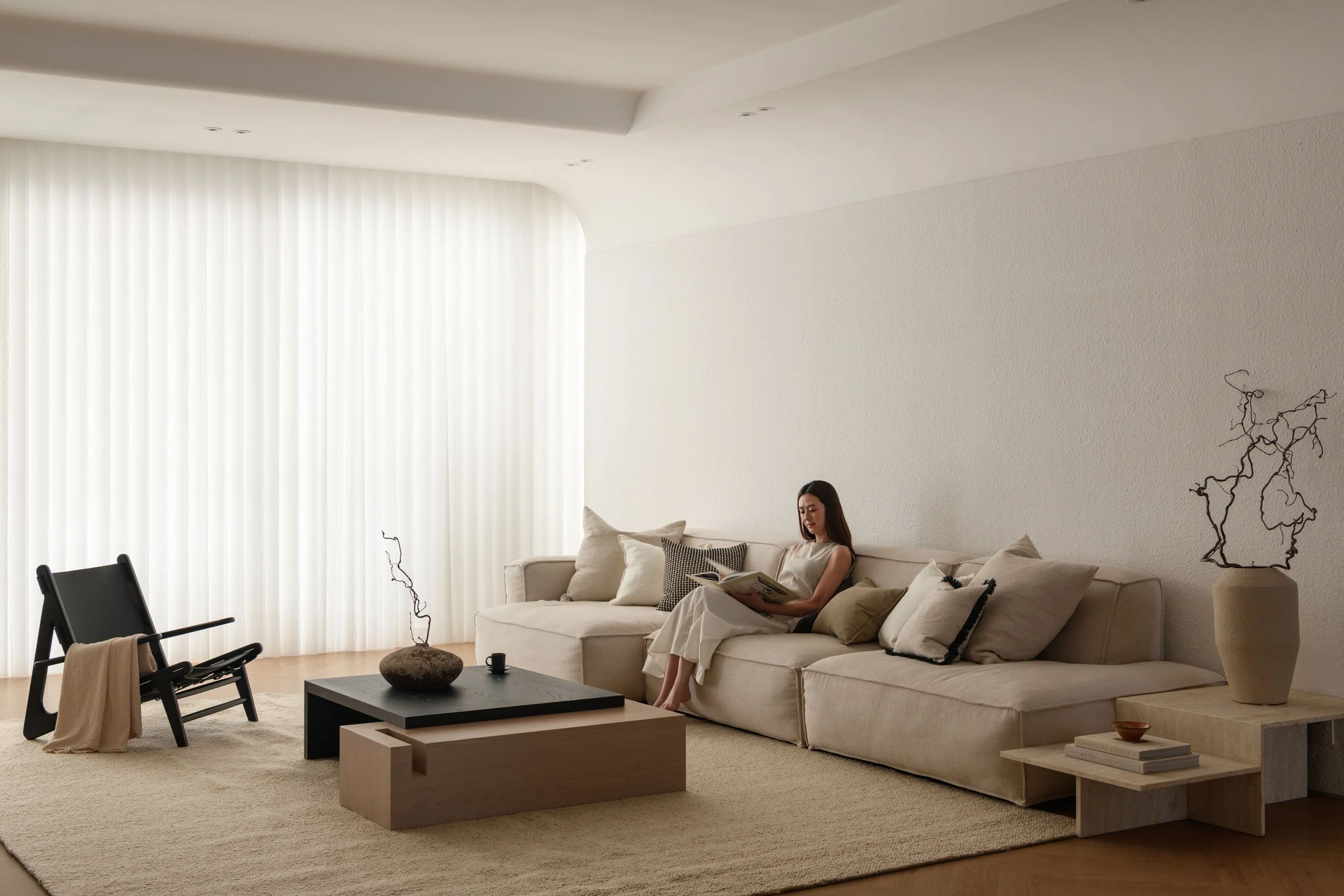
La Promenade J&P House
This Wabi Sabi-inspired home designed by J HOUS Studio reflects a couple’s journey towards building a new life, balancing serenity with practicality. With raw textures, muted tones, and soft curves, the design creates an organic flow that embraces imperfection. The result is a calm and functional space where work, leisure, and family life come together with ease.
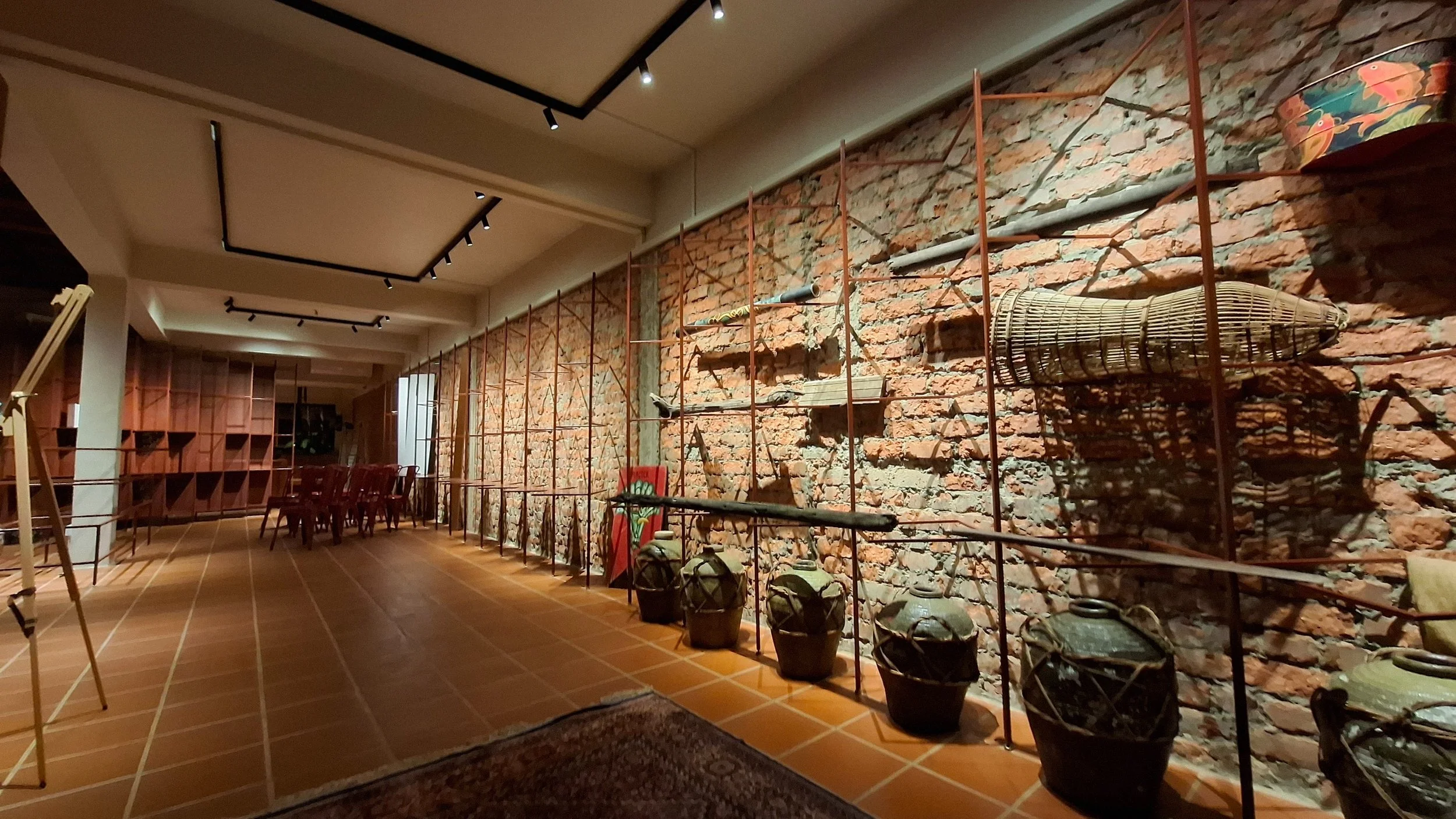
SPARK Gallery
SPARK Gallery by Little Elemnts is a renovation that transforms a developer’s office into a flexible space where work and exhibition converge. Terracotta and metal blur boundaries between old and new, solid and porous, functional and expressive. Custom zig-zag steel frames, biophilic planters, and perforated panels filter light, creating a textured narrative of history and openness, rooted in material honesty and designed for adaptive use.

Solarium House
Solarium House by Futurground reimagines a former office as a serene, climate-conscious home. Embracing Malaysia’s tropical climate, it employs passive cooling, natural light, and reclaimed materials to offer a sustainable model of adaptive reuse in dense urban settings.
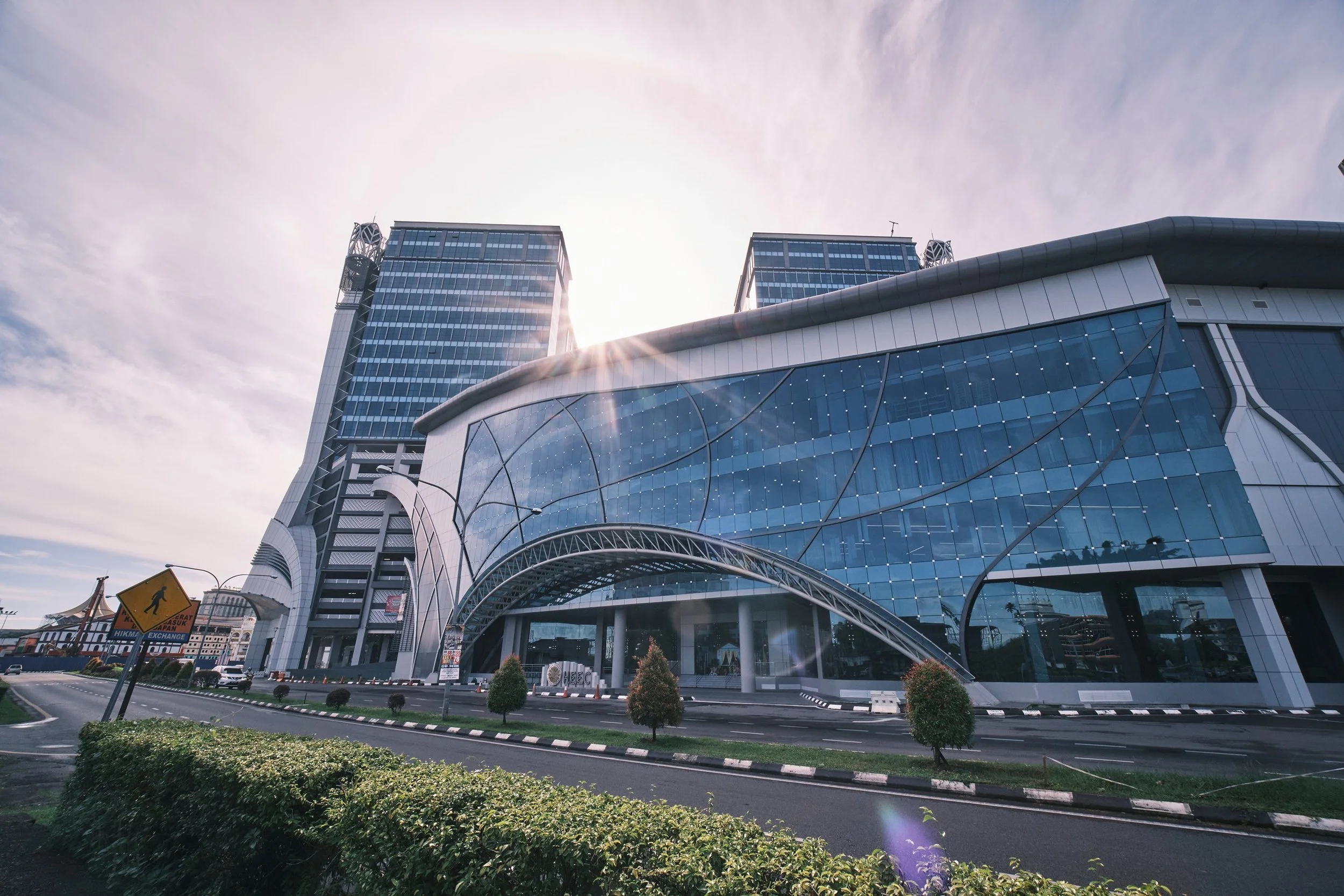
Hikmah Exchange
Designed by PU Architects, the Hikmah Exchange in old Kuching City preserves the Malay community’s heritage while shaping a new commercial gateway for Satok. The development introduces contemporary office towers, commercial areas, and open public spaces, fostering economic growth and supporting a sustainable, future-ready transformation at the heart of the city.
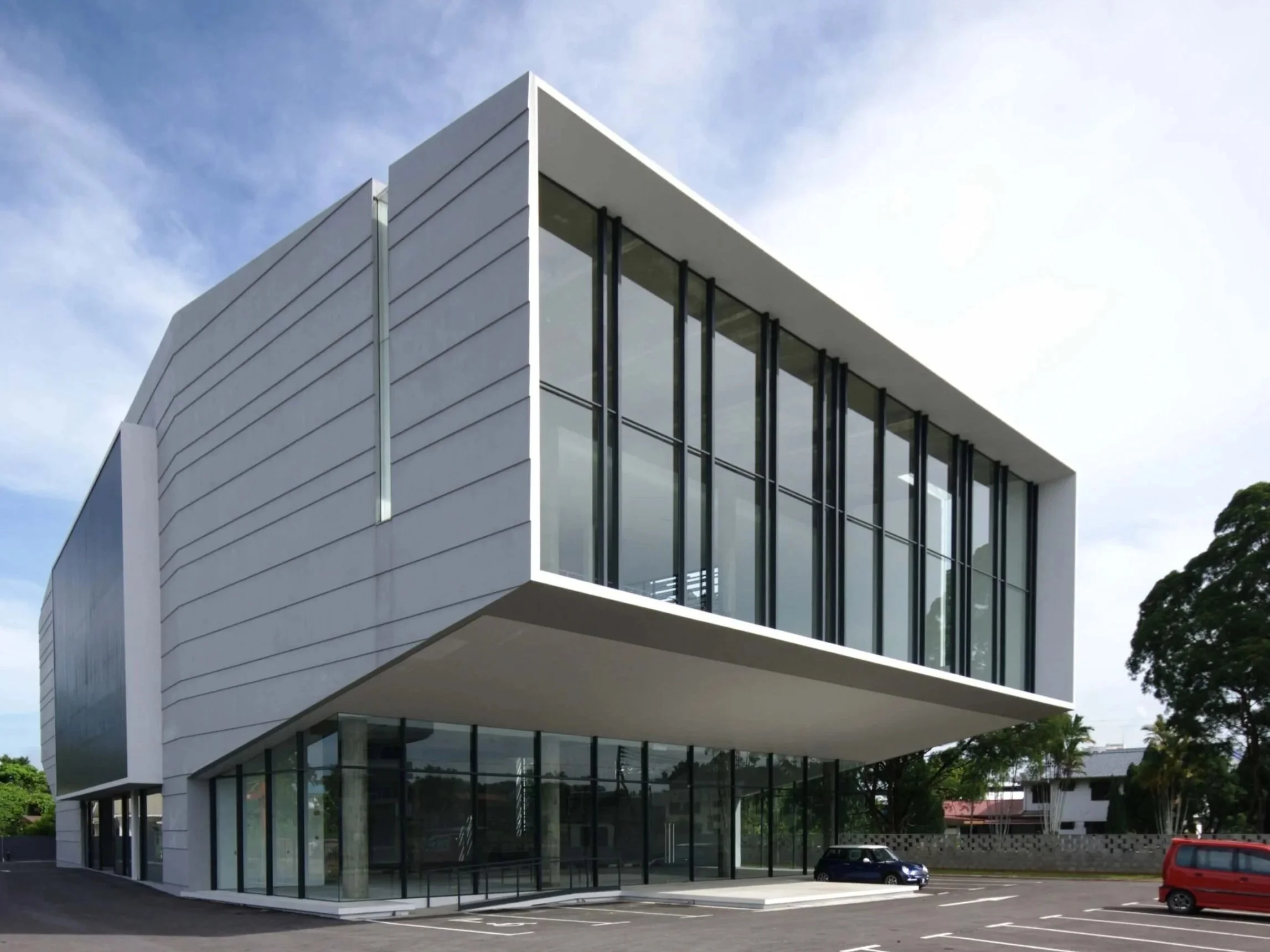
Showroom at Rock Road
PAM Awards 2011 | Gold in Showroom
Designed by Design Network Architect. Located along Kuching’s historic Rock Road, this project replaces the typical lightweight showroom with a more solid, site-responsive structure. Designed for visibility and shaped by local setback rules, it uses local materials and craftsmanship to achieve sustainability and cost-efficiency.

Brickwood Villa
ArchDaily Building of the Year 2025 | Finalist for Houses Category
Brickwood Villa, designed by Futurground, is a thoughtful retrofit of a 1980s suburban home. It features passive design, courtyards, high ceilings, and natural materials to create a breathable, climate-responsive space that embraces ageing, imperfection, and spatial clarity.
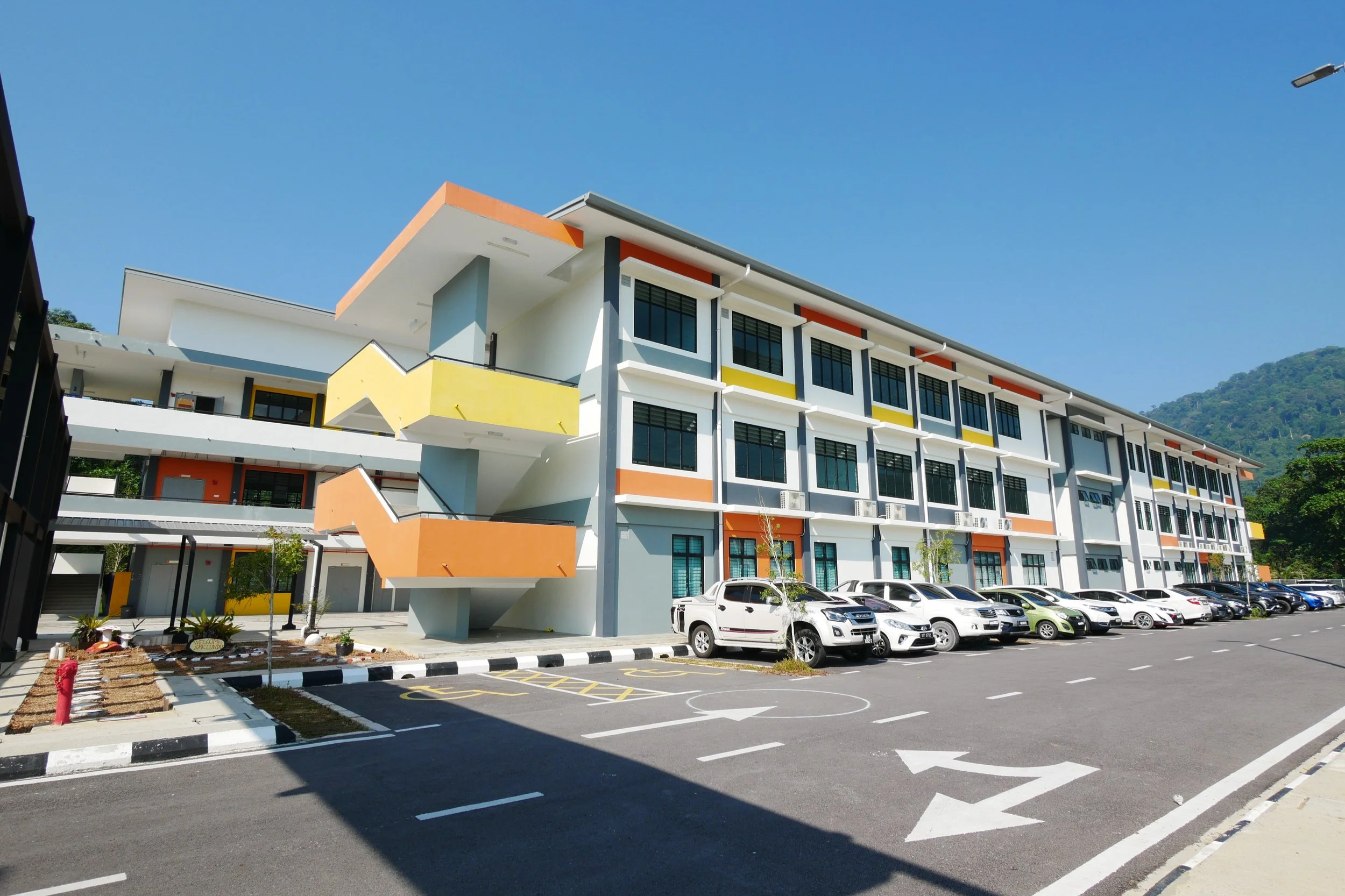
SMK Lundu
Project Shop PLT conceives SMK Lundu as a deliberate departure from colonial ideals of order and authority, instead offering a layered spatial experience that encourages exploration, contemplation, and the creation of memories—where form is intentionally designed, but space is meant to be lived in and felt.
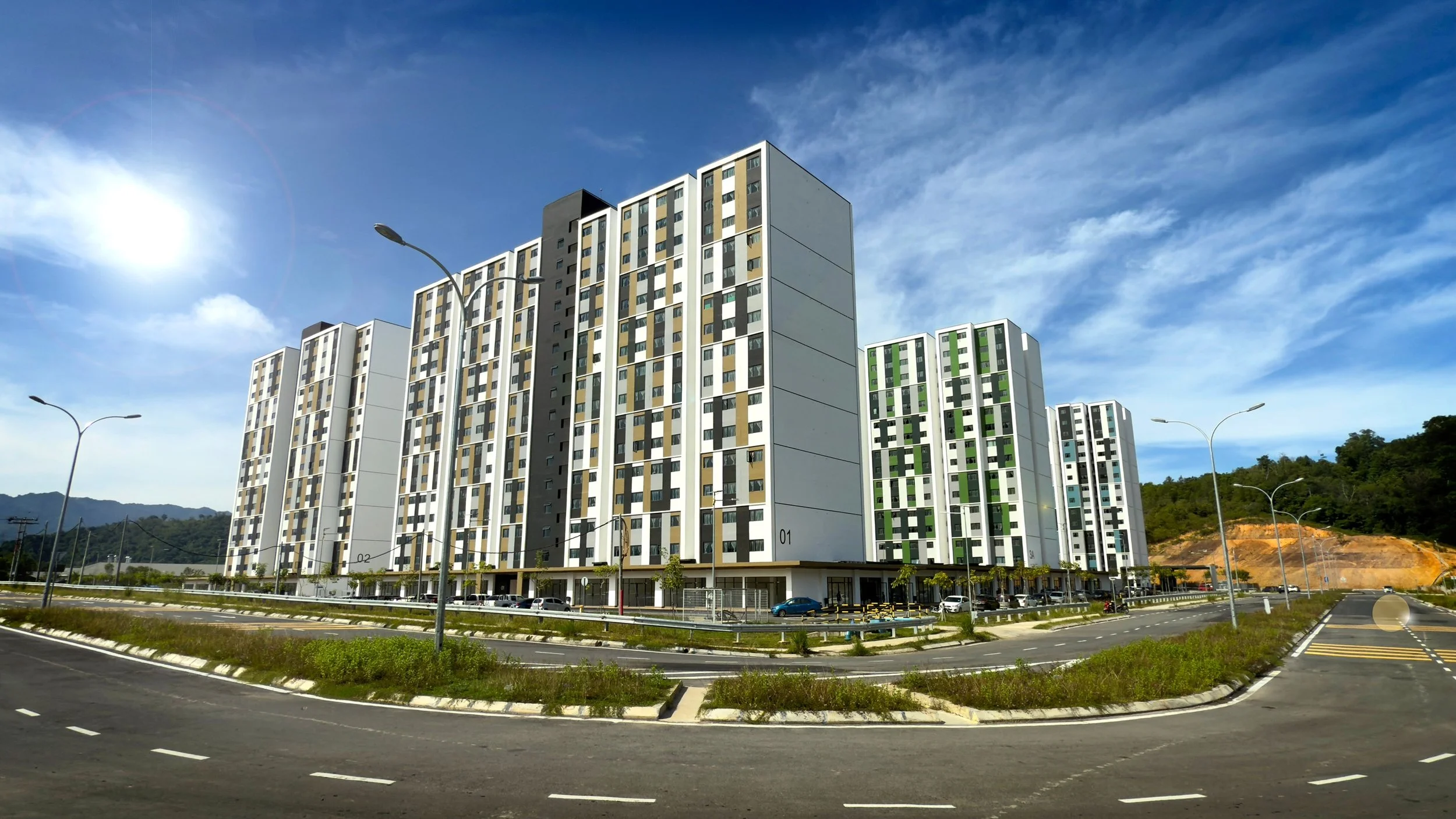
V21 Residence @ KKIP
Creative Colour Awards 2025 | Best in Residential Exterior Category
V21 Residence at Kota Kinabalu Industrial Park, by Mak Arkitek Konsult, comprises 1,121 affordable units for its employees. Each block features an airwell core for natural light and ventilation, reducing energy use. The project prioritises quality, practicality, and accessible design.
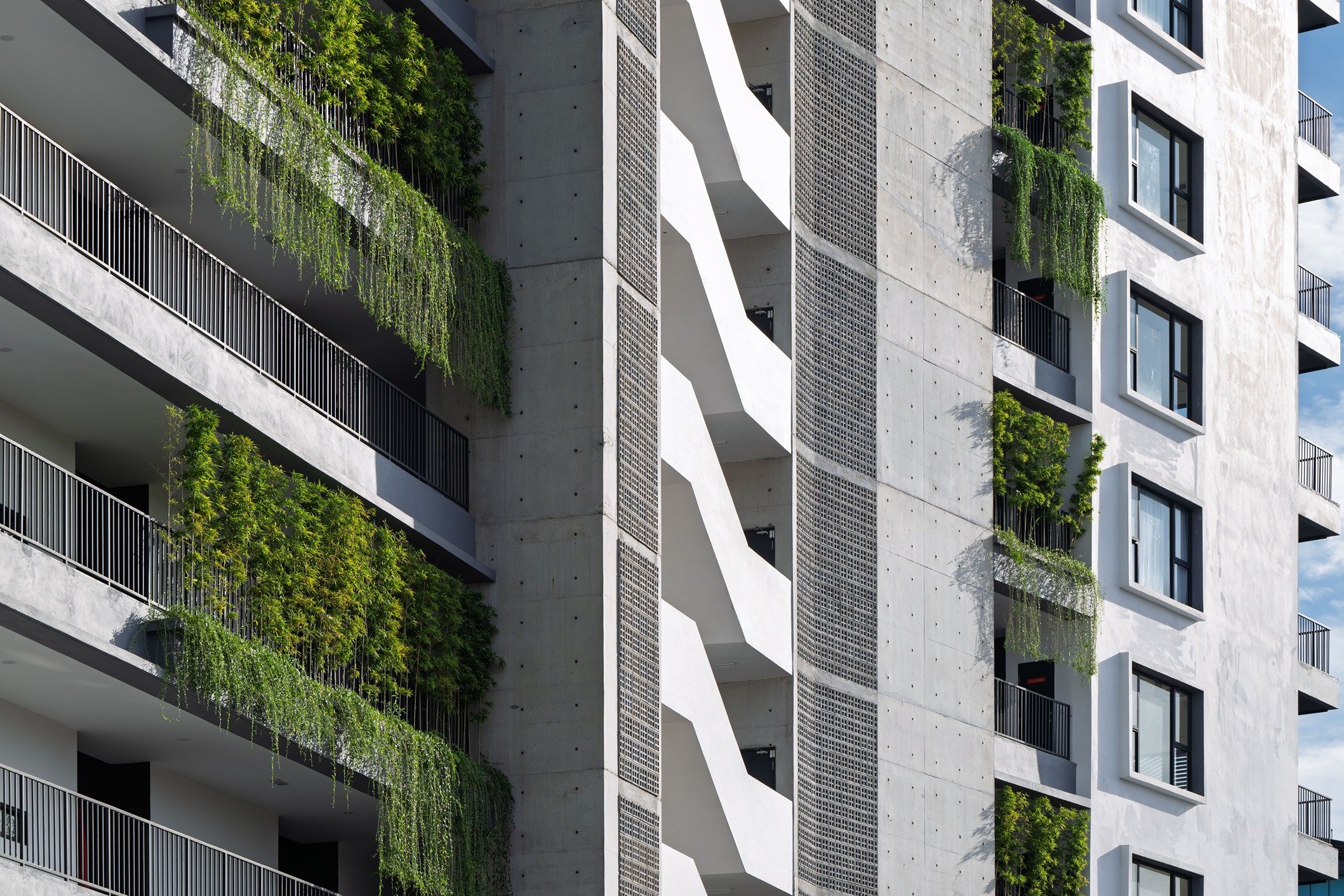
Lumos Residence
PAM Awards 2025 | Silver for Multiple Residential (High Rise) Category
Lumos Residence, a single-tiered, low-density 9-storey serviced apartment by MNSC Architects, is designed with a focus on sustainability and privacy. Featuring smart devices, rainwater harvesting, and passive shading elements in each unit to enhance energy efficiency, the apartment won accolades for design excellence at the PAM Awards 2025.

UNIFOR Complex
PAM Awards 2025 | Silver for Commercial (High Rise) Category | Shortlisted for Green Building Category
The award-winning UNIFOR Complex by David Ong Architect is a sustainable landmark near Kuching, combining passive design, cultural symbolism, and community spaces to promote interfaith unity and environmental responsibility.
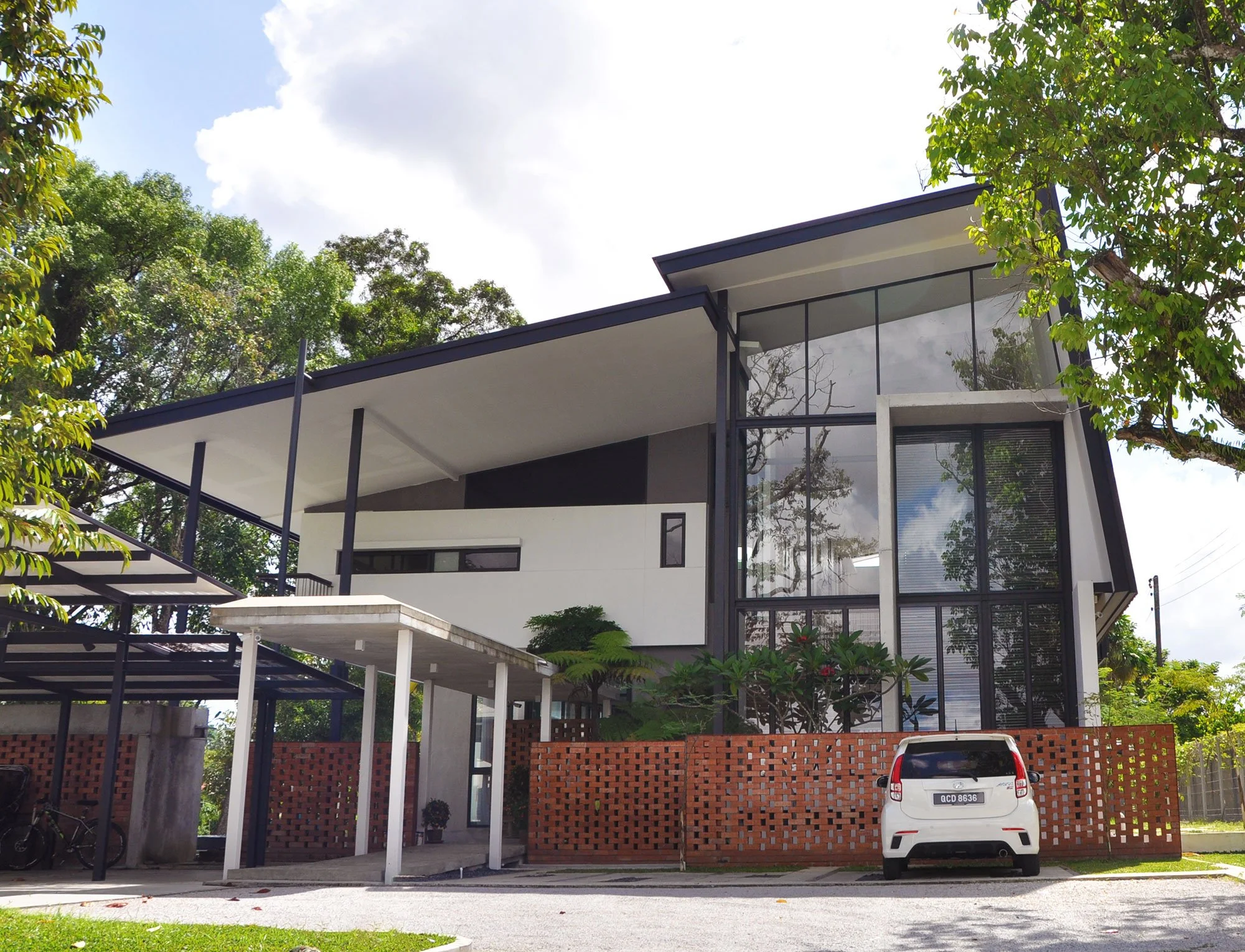
Open House II
Min envisioned Open House II as a multi-generational extension that draws on the synergy between Iban longhouse traditions and Chinese shophouse typology, blending communal living with contemporary spatial flow.

St Ann Church Extension
Led by PDC Design Group, the St Ann Church extension in Kota Padawan is inspired by the Dayak Longhouse, featuring two L-shaped buildings framing a central courtyard. Blending cultural heritage with climate-conscious design, it supports over 2,500 congregants through collaborative, functional spaces.

Longhouse Lodge at Mulu National Park
Conceived by AR+C Design Group, Longhouse Lodge, now Rainforest Lodge, is a guest accommodation within Mulu National Park HQ. Built on a tight budget, it uses an industrialised, modular system in harmony with existing structures and the environment.


The Commune
Lateral Architects reimagines urban housing through six low-rise blocks in The Commune, located in Toul Kork district. Open pathways, shared spaces, and climate-responsive design foster community over isolation.

Bagan Specialist Centre
Designed around a landscaped courtyard, the Bagan Specialist Centre Expansion by MinWee Architect doubles capacity to 350 beds and adds a Cancer Care Centre with radiotherapy and chemotherapy. It addresses site and operational challenges, guided by the five tenets of tropical architecture — shade, permeability, thresholds, sufficiency, and community.