
Oitom Restaurant
Oitom is a restaurant in Kota Kinabalu that celebrates indigenous Bornean flavours through Chef Raphael Lee’s interpretation of local ingredients and culinary traditions. The name Oitom, meaning “black” in the Kadazan-Dusun language of Sabah, Malaysia, reflects a connection to local identity and cultural roots. The interior draws inspiration from the architecture and spatial organisation of the traditional Rungus longhouse, translating these references into a contemporary dining environment.
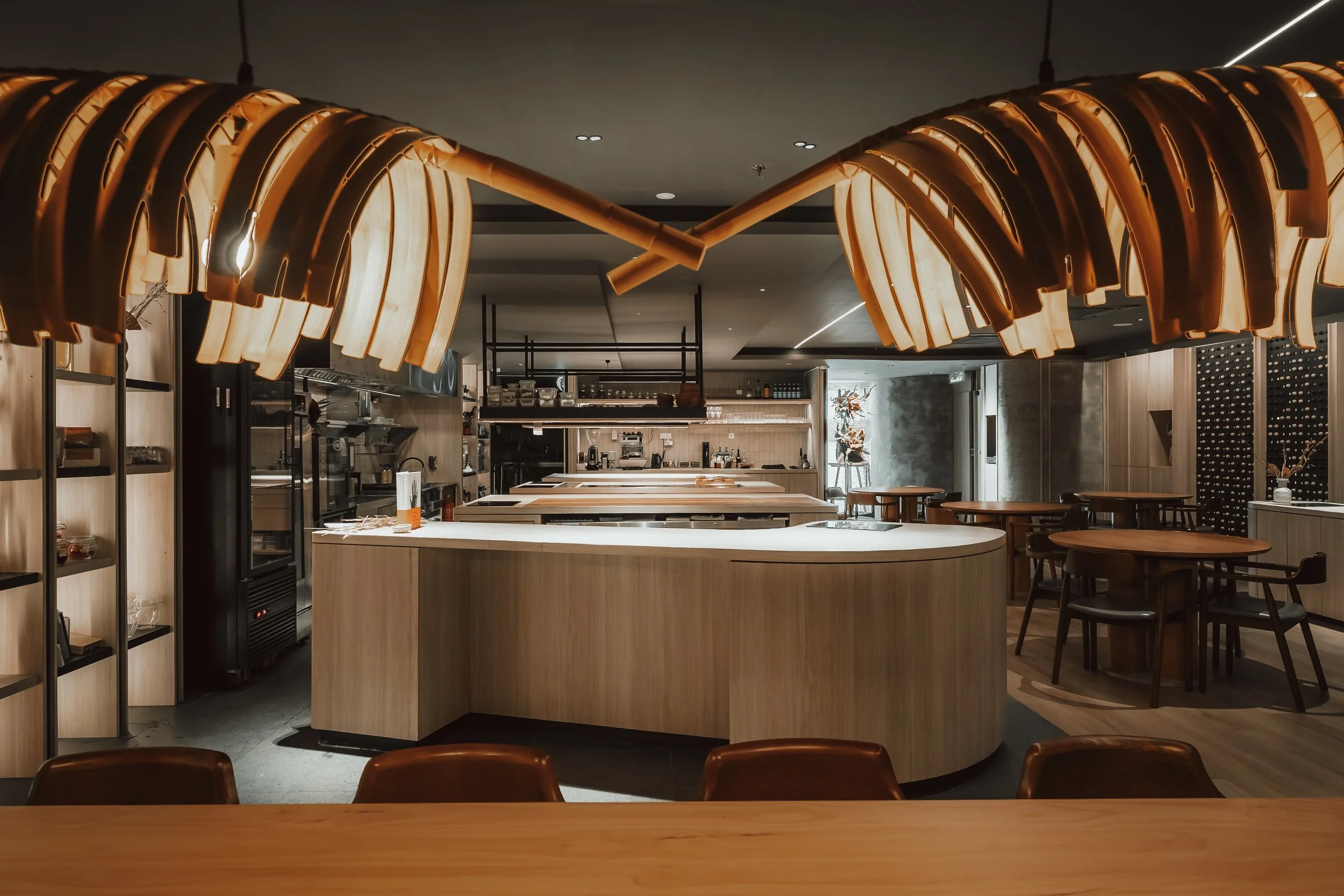
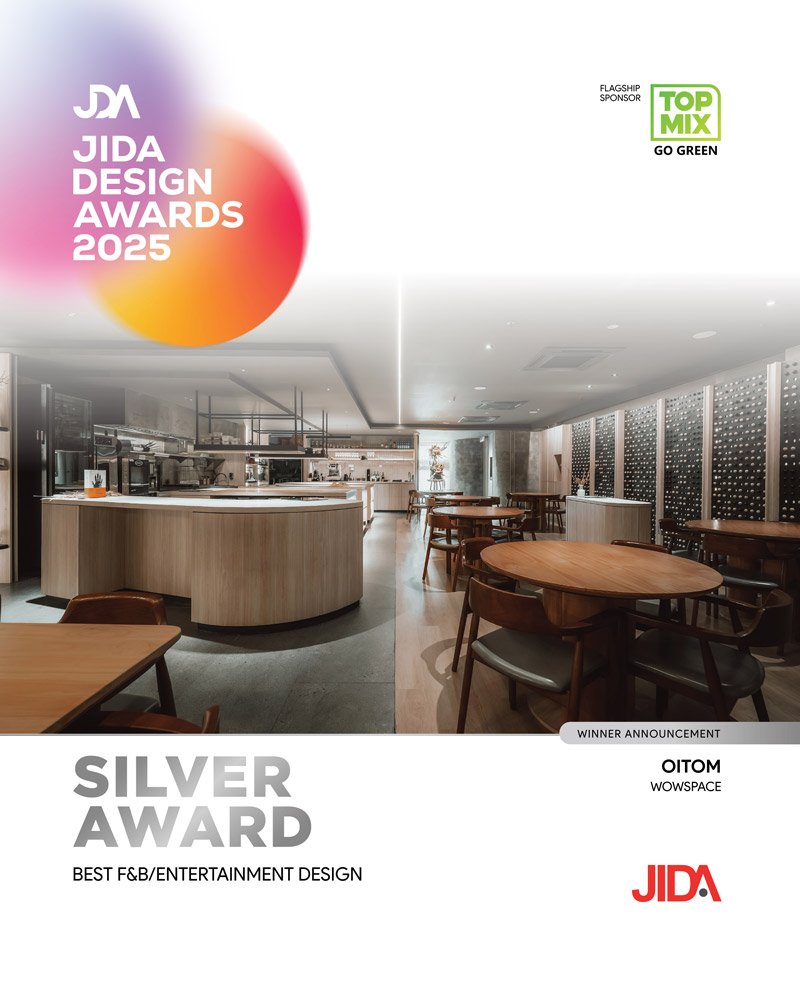
Traditional Rungus longhouses are organized around communal living, where spaces support gathering, cooking and everyday rituals within a shared structure. This principle informed the restaurant’s spatial planning. Dining areas are arranged to encourage communal interaction while still accommodating quieter moments for smaller groups. The open kitchen sits prominently within the space, conceived as a stage where the preparation of food becomes part of the dining experience, reinforcing the connection between chef, craft and ingredient.
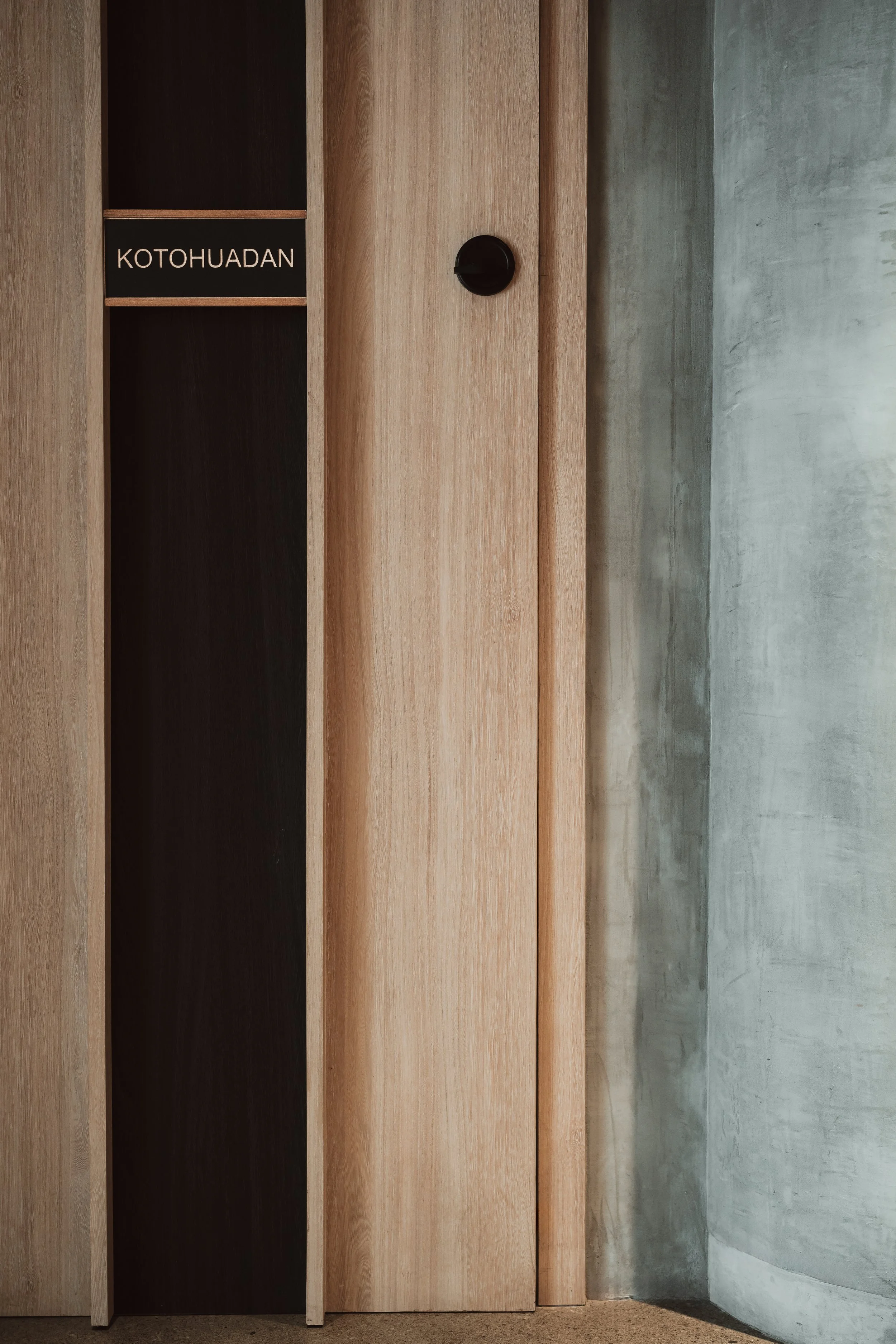
Several architectural elements reinterpret characteristics of the longhouse structure. Slender vertical timber members appear throughout the interior, abstractly referencing the elevated stilts that support traditional Rungus dwellings. Rather than acting as structural elements, these vertical lines introduce rhythm and depth while subtly defining different dining zones without fully enclosing them.
Floor finishes further translate vernacular materials into contemporary form. Patterns inspired by the alignment and texture of split bamboo flooring commonly found in traditional longhouses are reinterpreted through timber surfaces, creating a tactile reference to indigenous construction methods while maintaining a refined interior language.
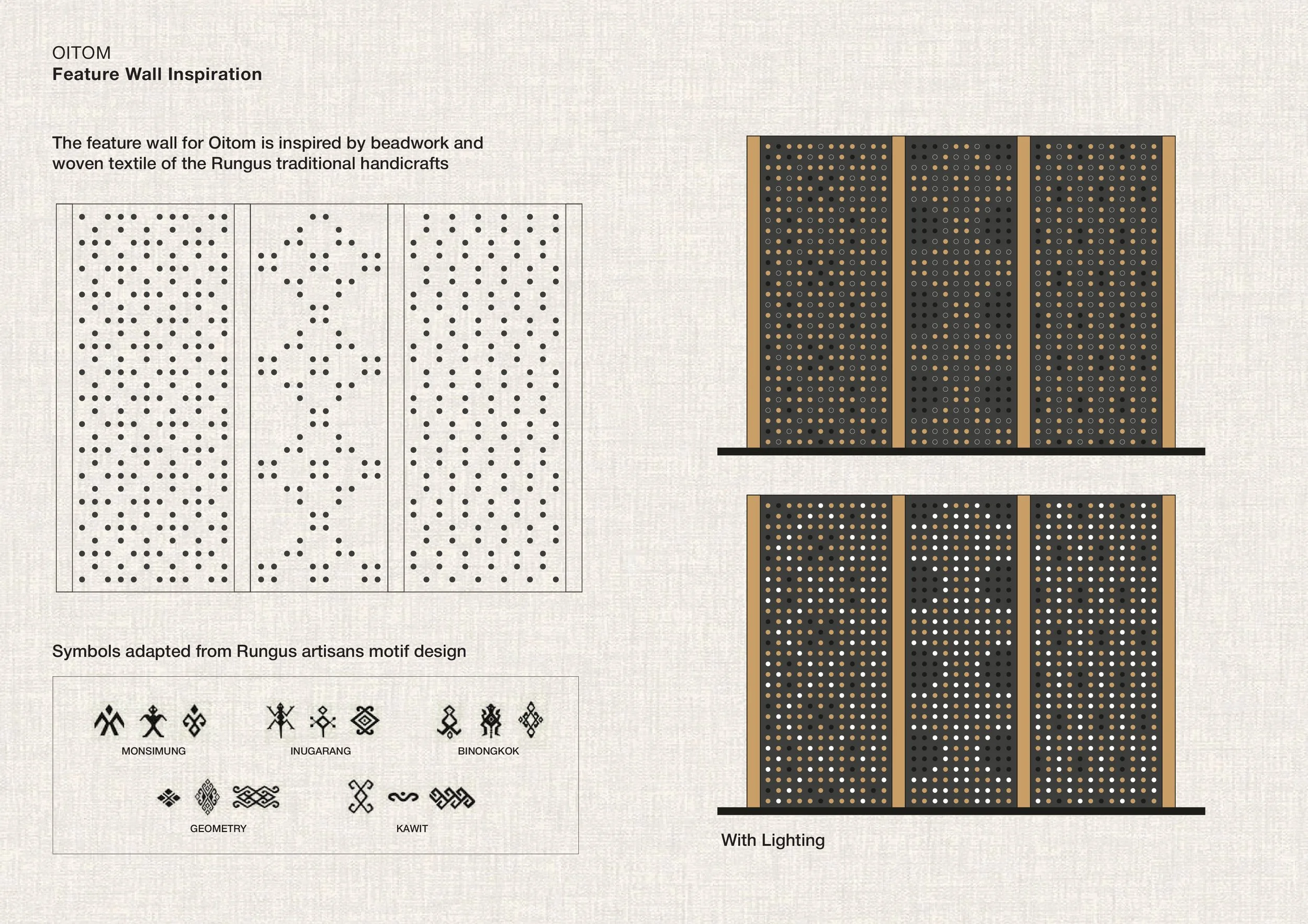
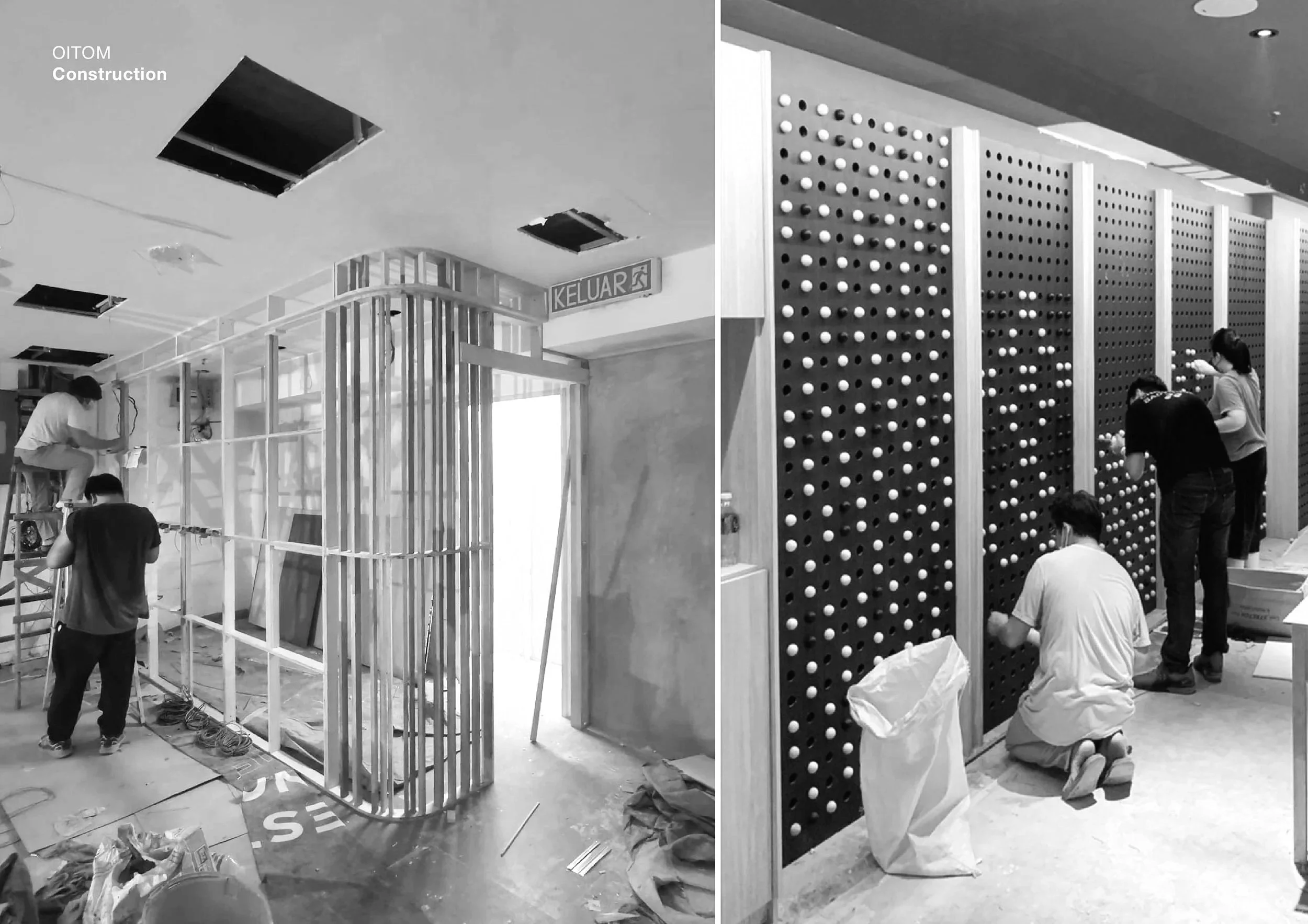
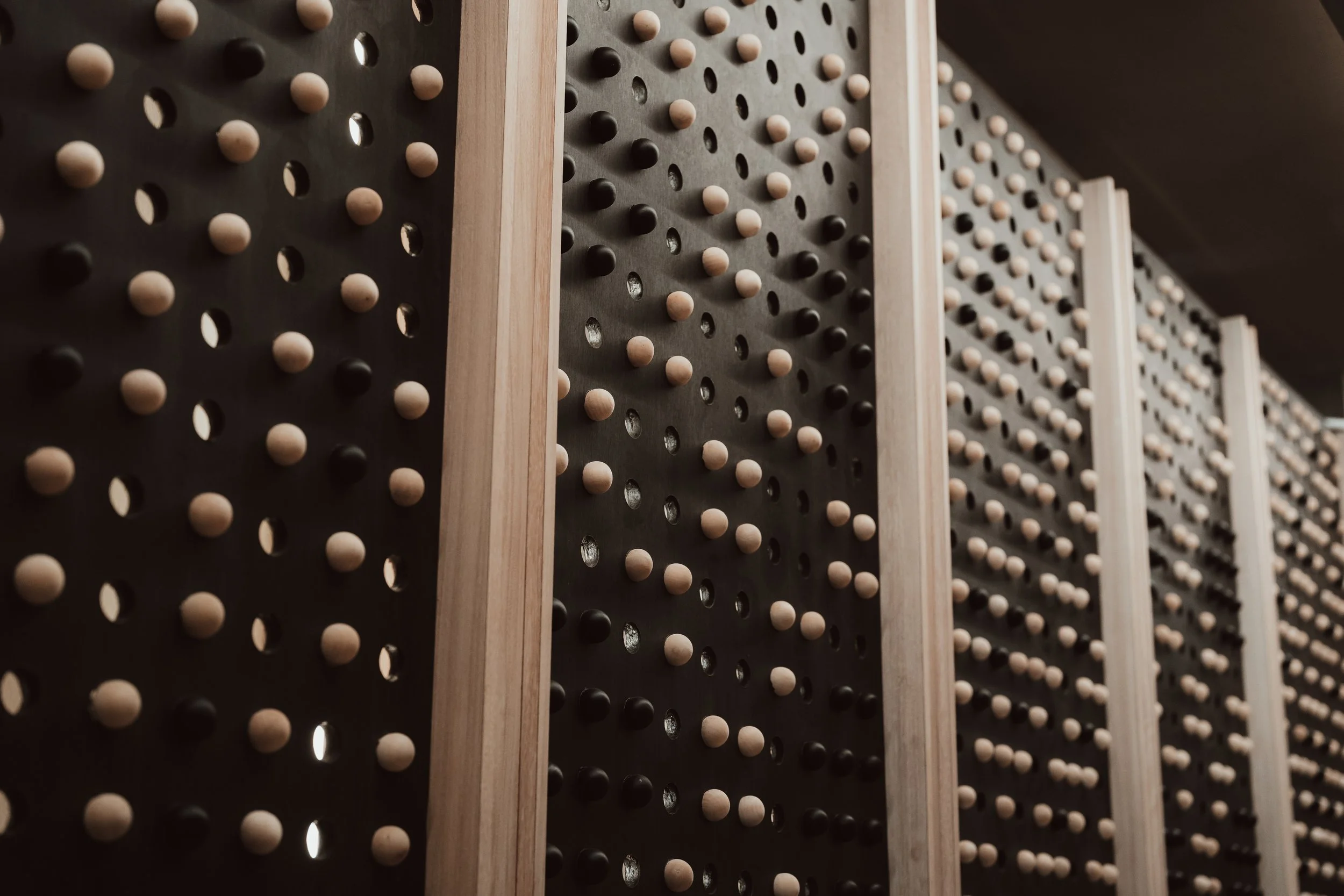
A key focal point within the restaurant is the feature wall inspired by traditional Rungus beadwork and woven textiles. The installation interprets indigenous motifs through a contemporary composition of perforations and embedded beads arranged in patterned panels. The wall was assembled through a collaborative process involving craftsmen and members of the design team, who participated in placing the beads by hand, reinforcing the project’s connection to craft and material expression.
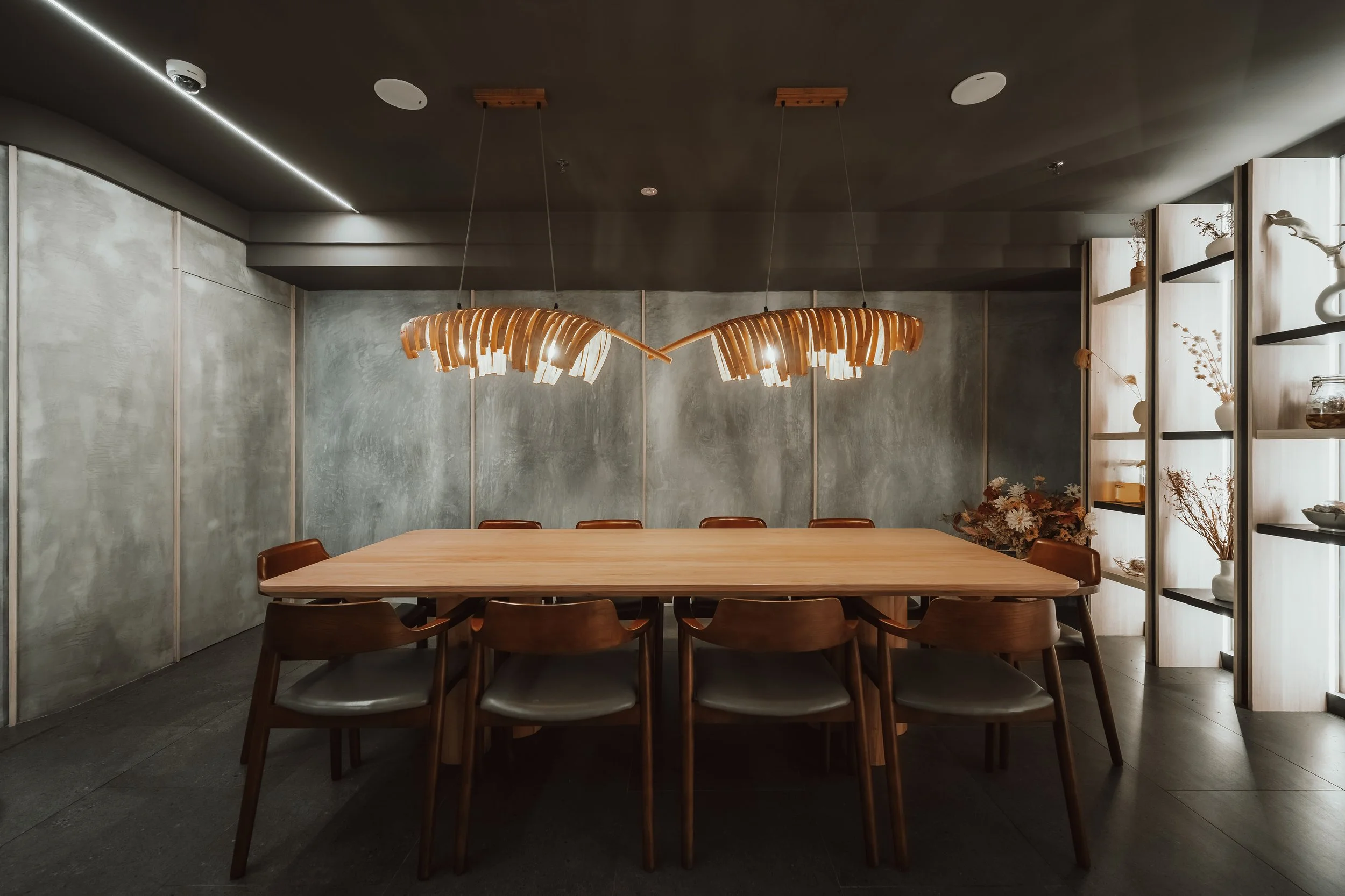
Lighting elements also draw from traditional references. Suspended timber fixtures above the dining tables are shaped to resemble dried palm leaves, materials traditionally used to construct the roofs of Rungus longhouses. These sculptural forms introduce warmth and texture while casting soft, diffused light across the dining areas.
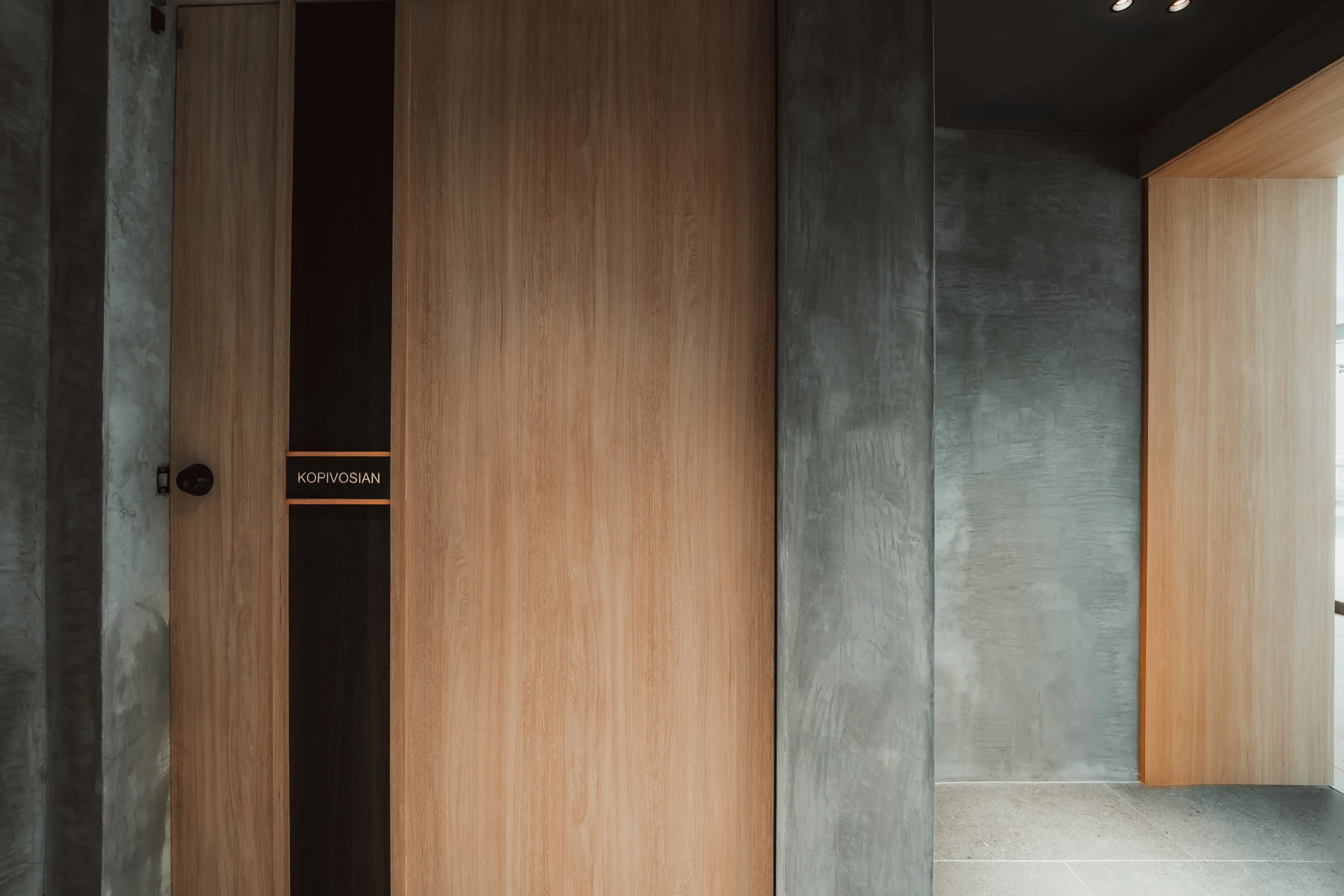
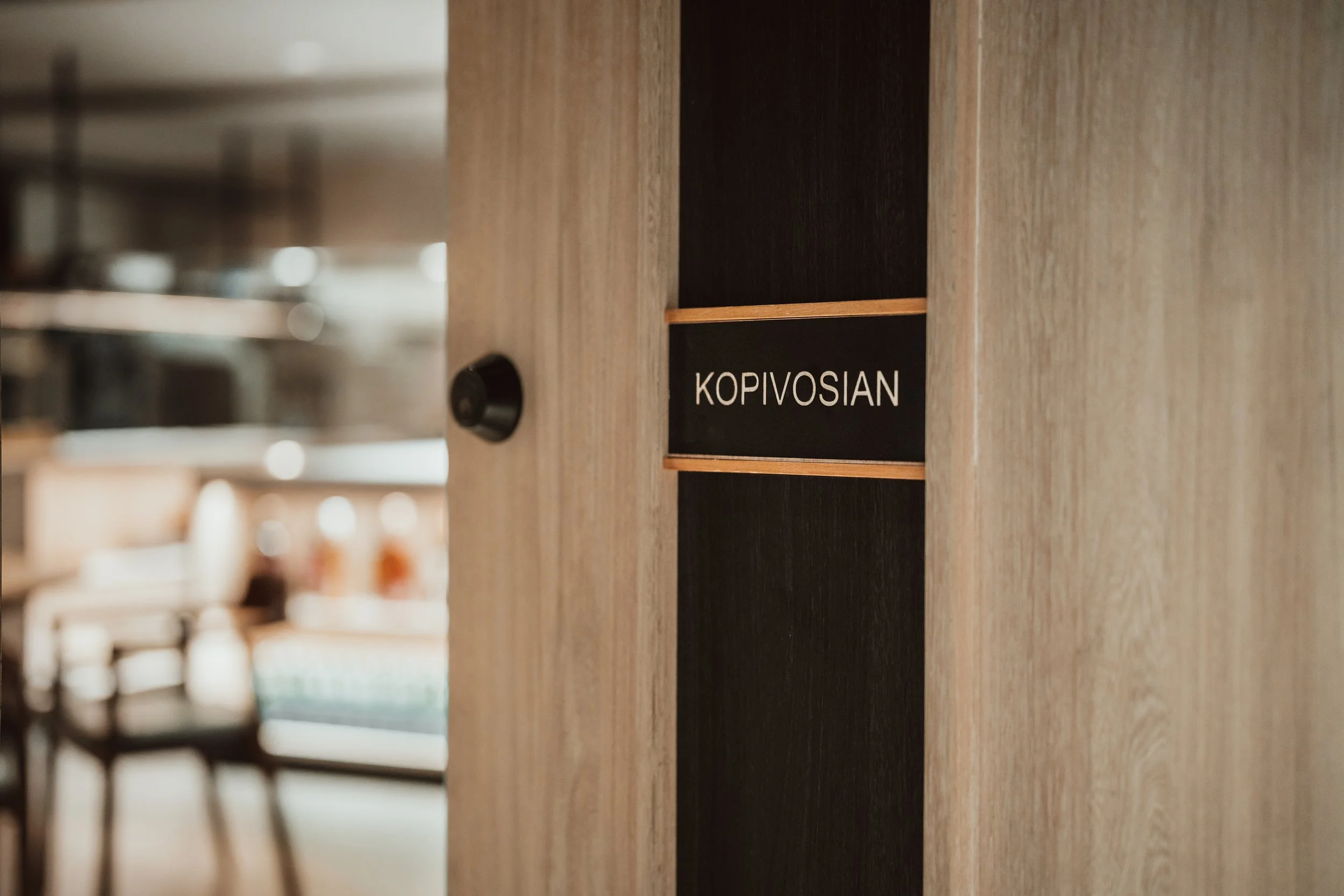
The palette throughout the restaurant balances these cultural references with a restrained material approach. Warm timber surfaces, textured walls and muted tones create a calm backdrop that allows the crafted details and food presentation to take prominence. This dialogue between Bornean craft traditions and Nordic-inspired simplicity establishes a contemporary interior grounded in place.
Rather than replicating vernacular architecture directly, the design abstracts elements of the Rungus longhouse into a modern spatial language, allowing guests to experience Bornean heritage through both cuisine and environment.
Text by the architect
PROJECT GALLERY
-
Architect : Wowspace Design Studio
Client : Oitom
Area : 168 m²
Project Location : Kota Kinabalu | Sabah
Year : 2022 -
Interior Designer : Wowspace Design Team
Contractor : Viz4 Design & Build
Design Team : Kenny Wong | June | Jun Jie
Photography : Danny Ho -
—
Share this project