
Interior of Dewan Undangan Negeri Sarawak (DUNS)
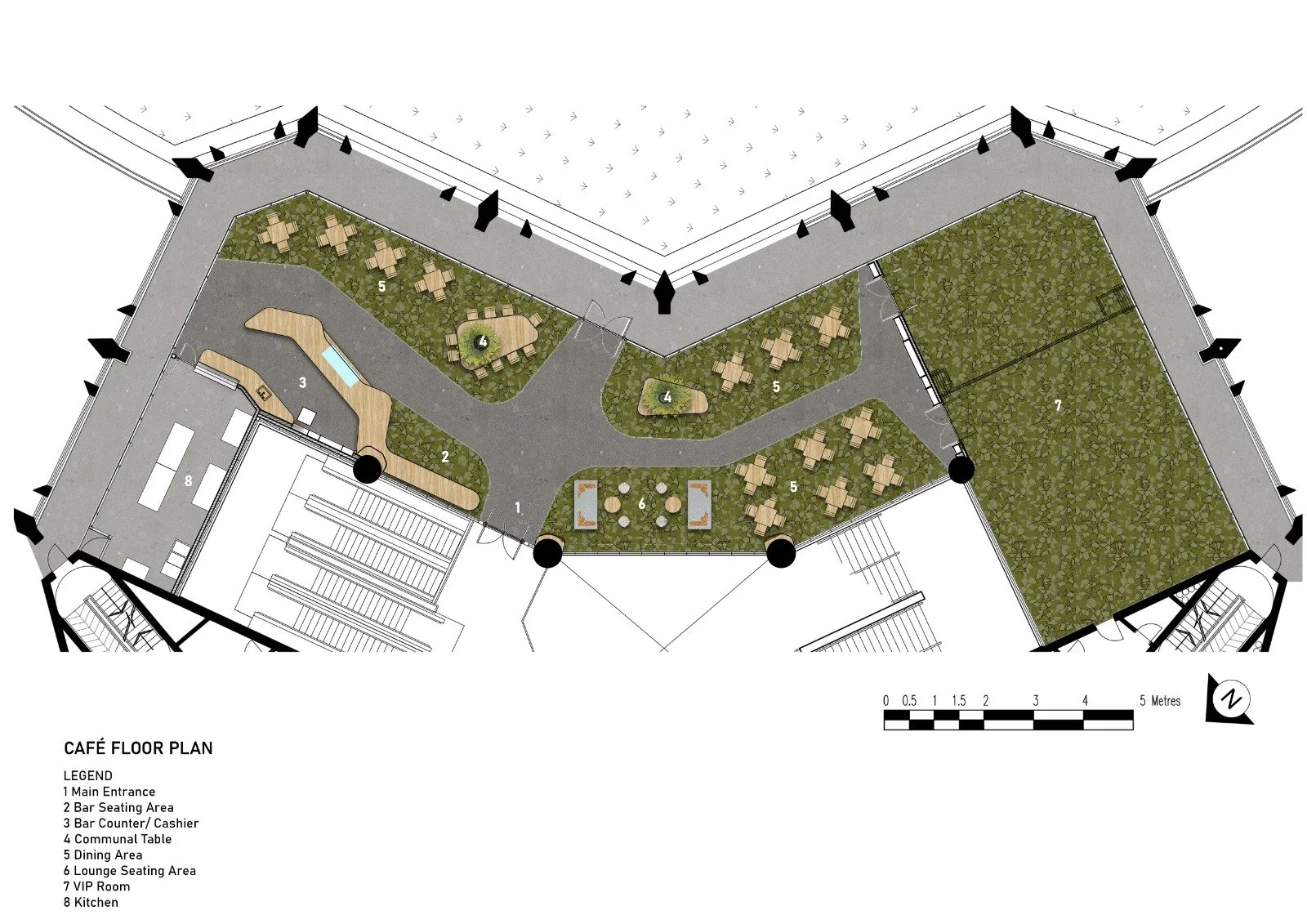
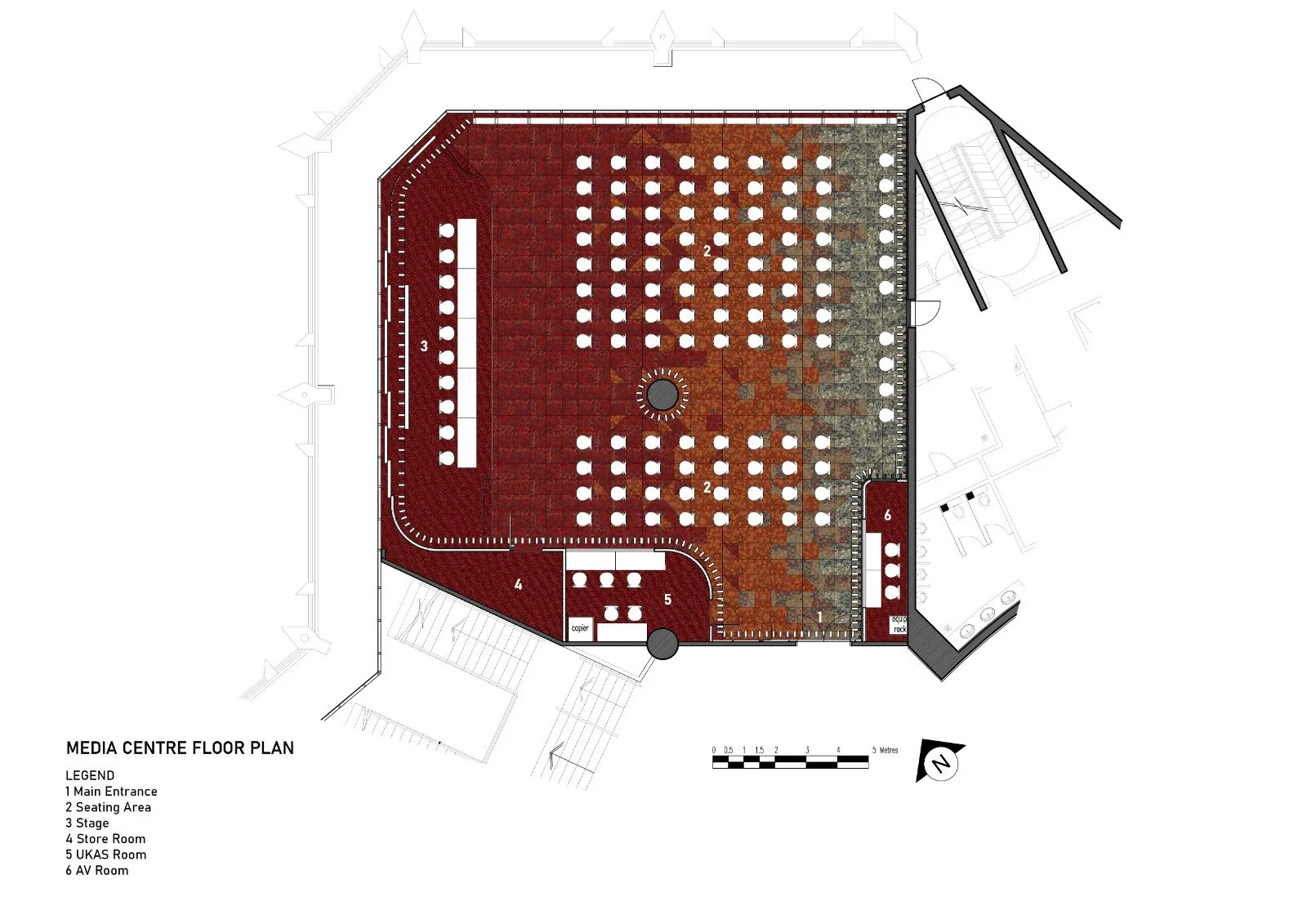
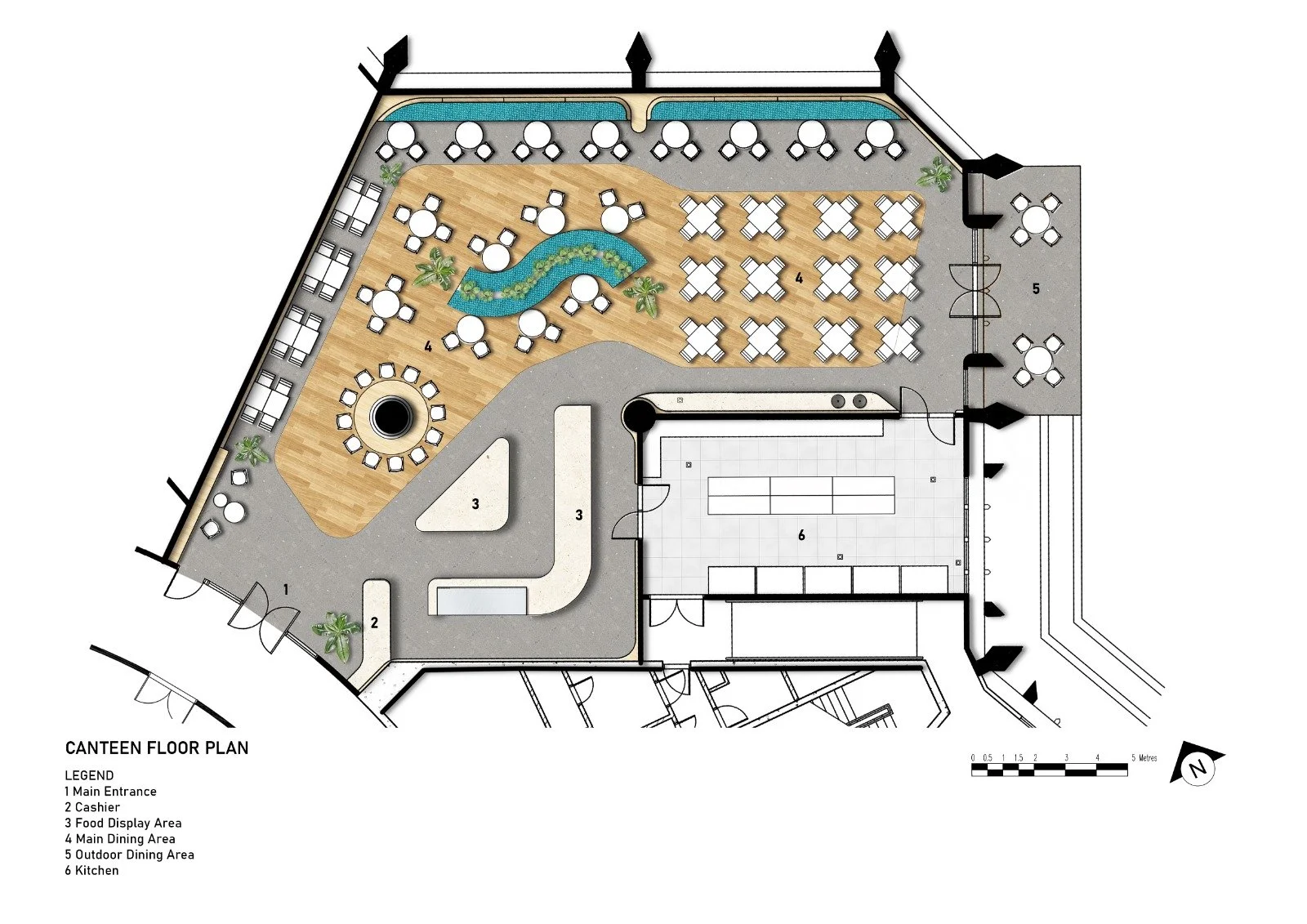
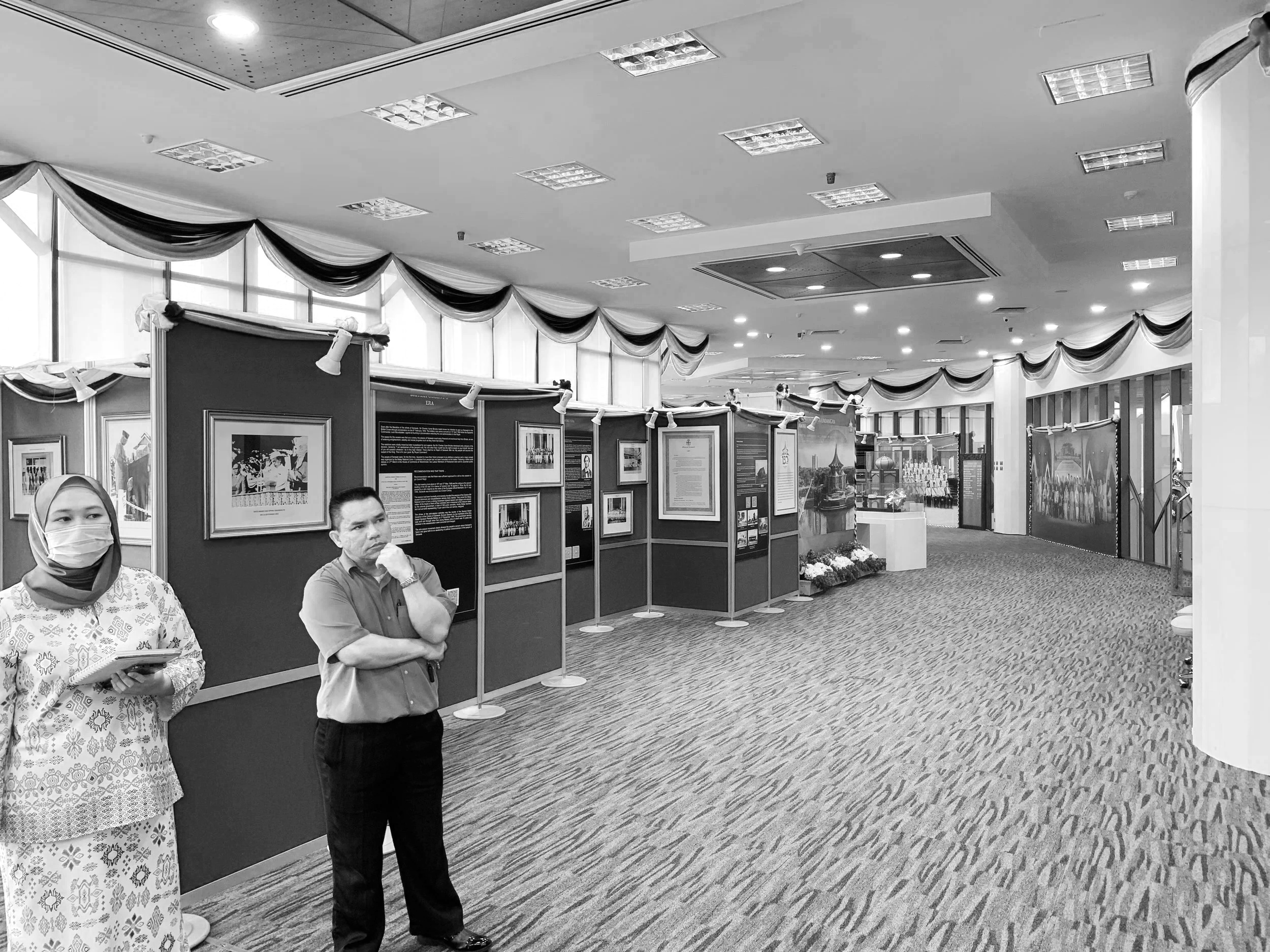
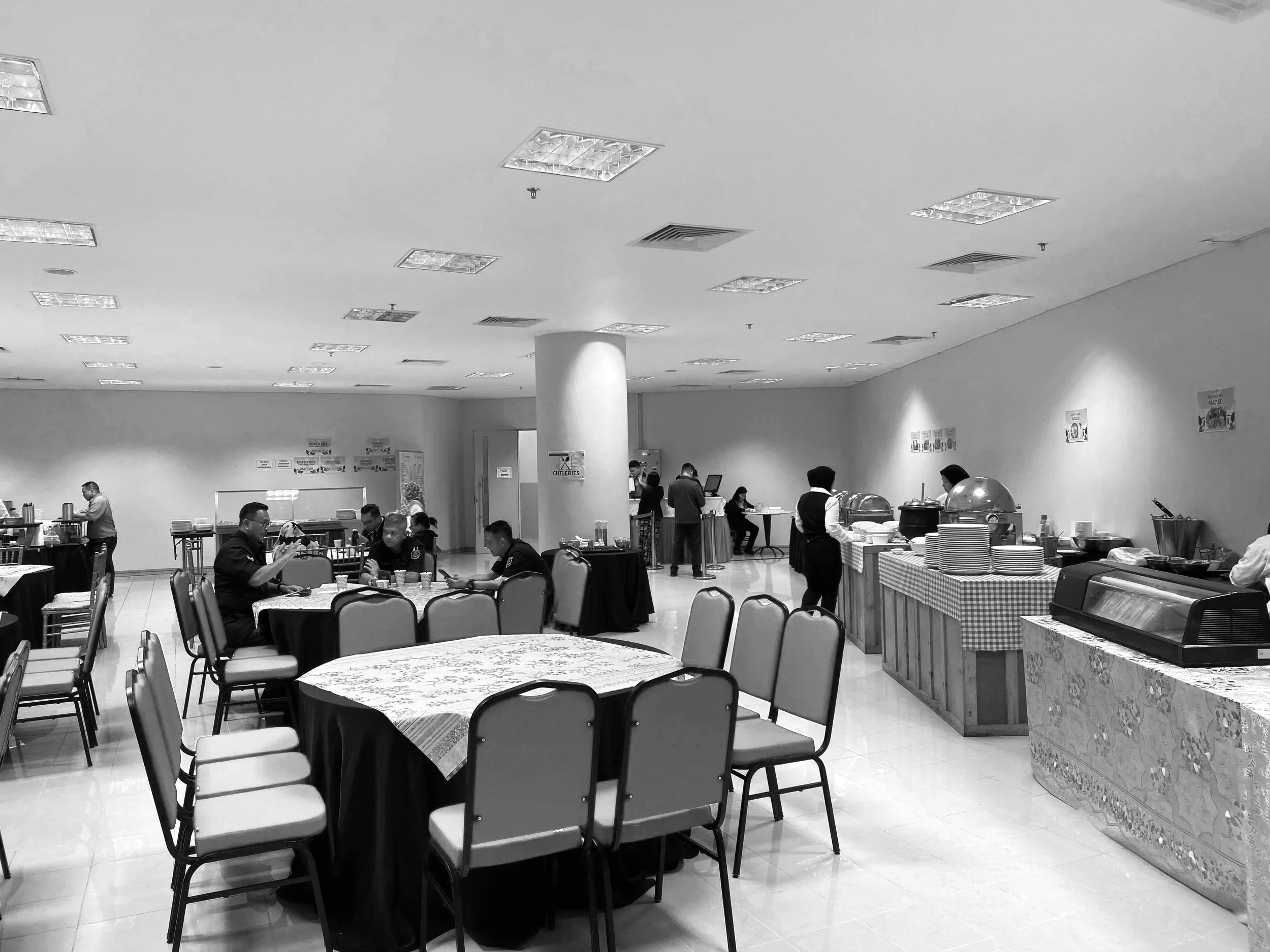
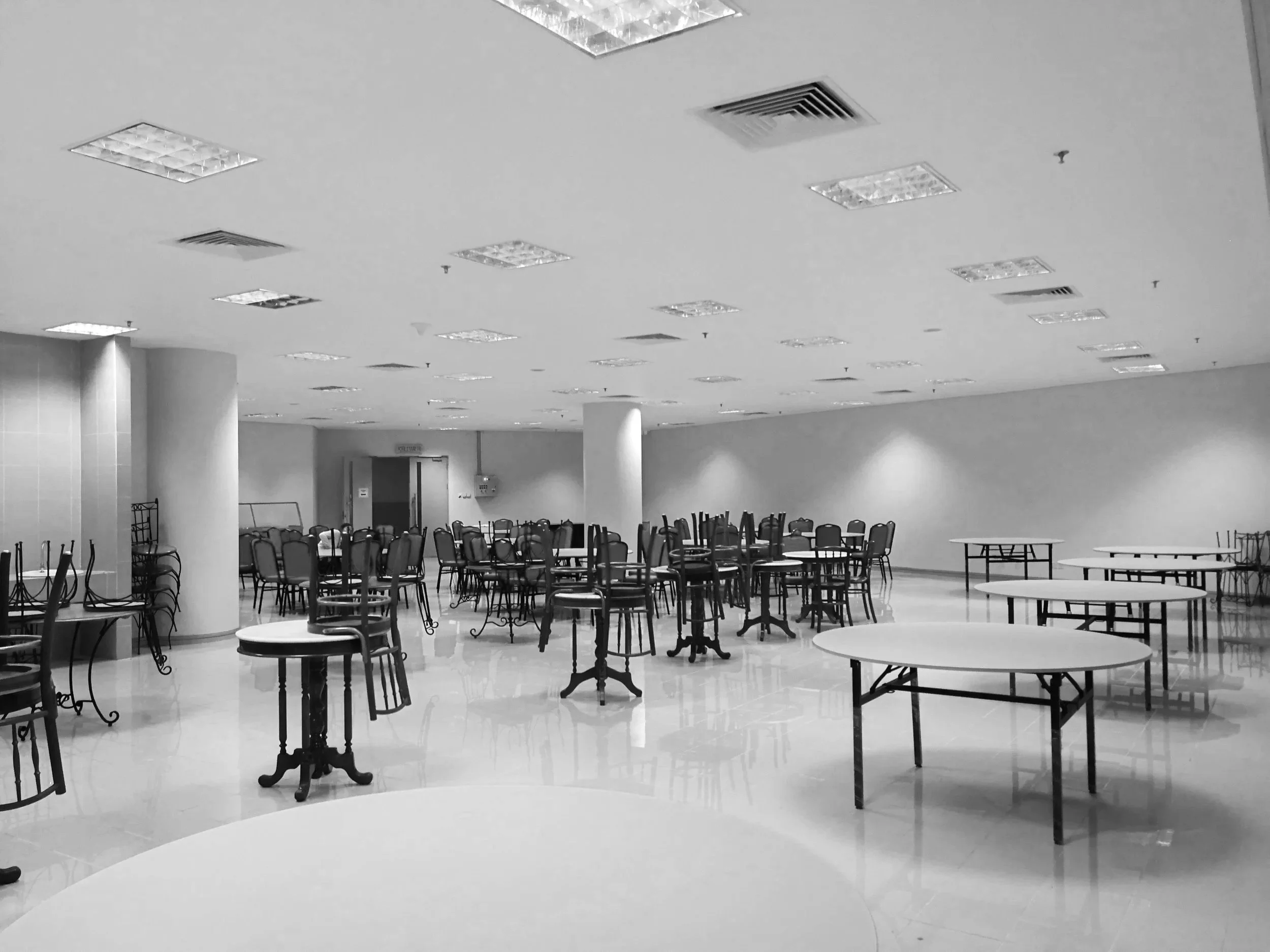
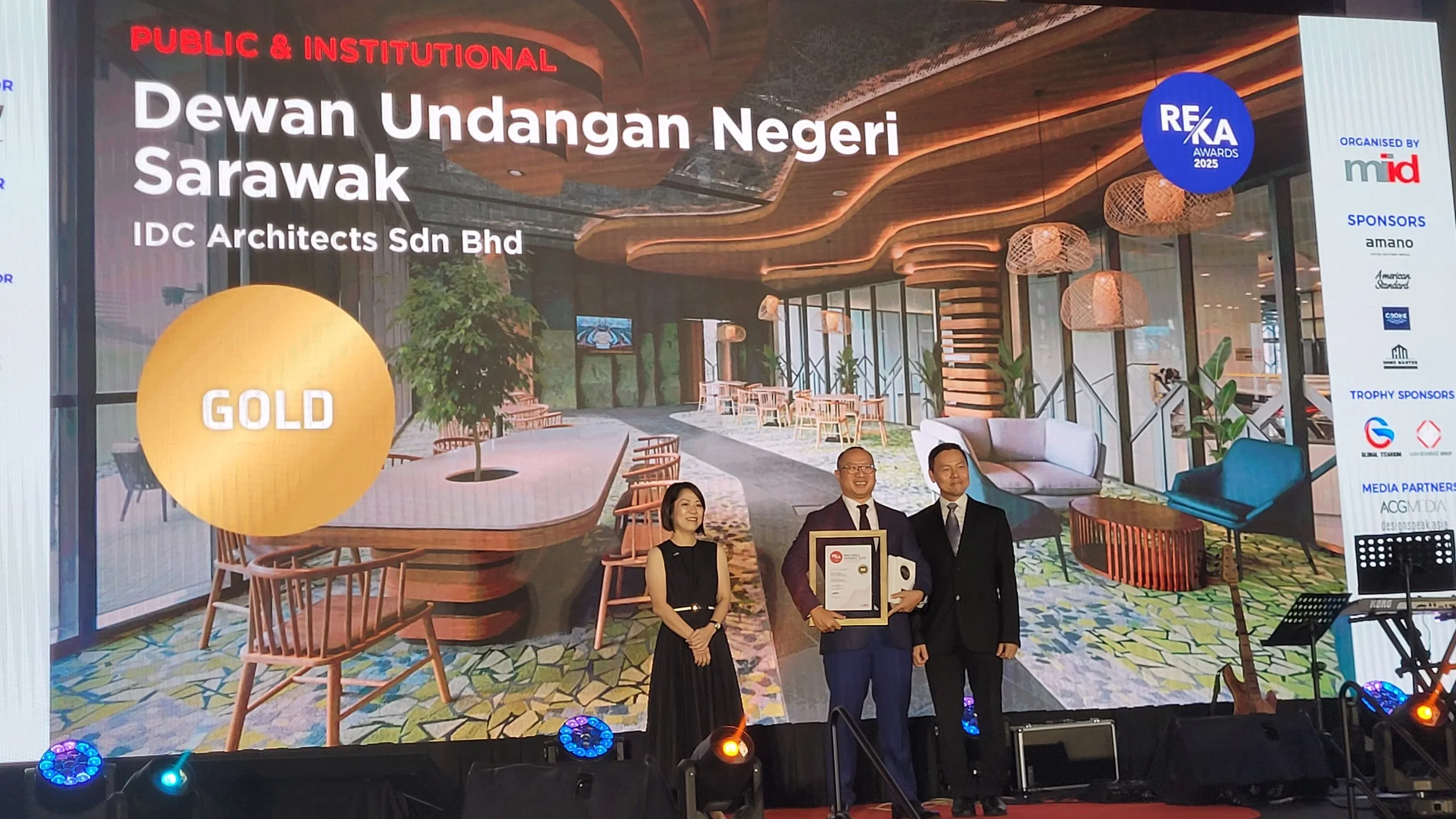
IDCA was tasked by Dewan Undangan Negeri Sarawak (DUNS), through Jabatan Kerja Raya (JKR) as its implementing agency, to renovate a number of spaces within the DUN. These included a new café, media centre and gallery spaces at the Level 2 concourse, and a cafeteria at Level 1 for staff use.
The challenge was to create memorable interiors befitting the monumental architecture of the DUN, while being welcoming and useful to a wide variety of users including the general public, visiting school groups, as well as office-holders and staff of the DUN.
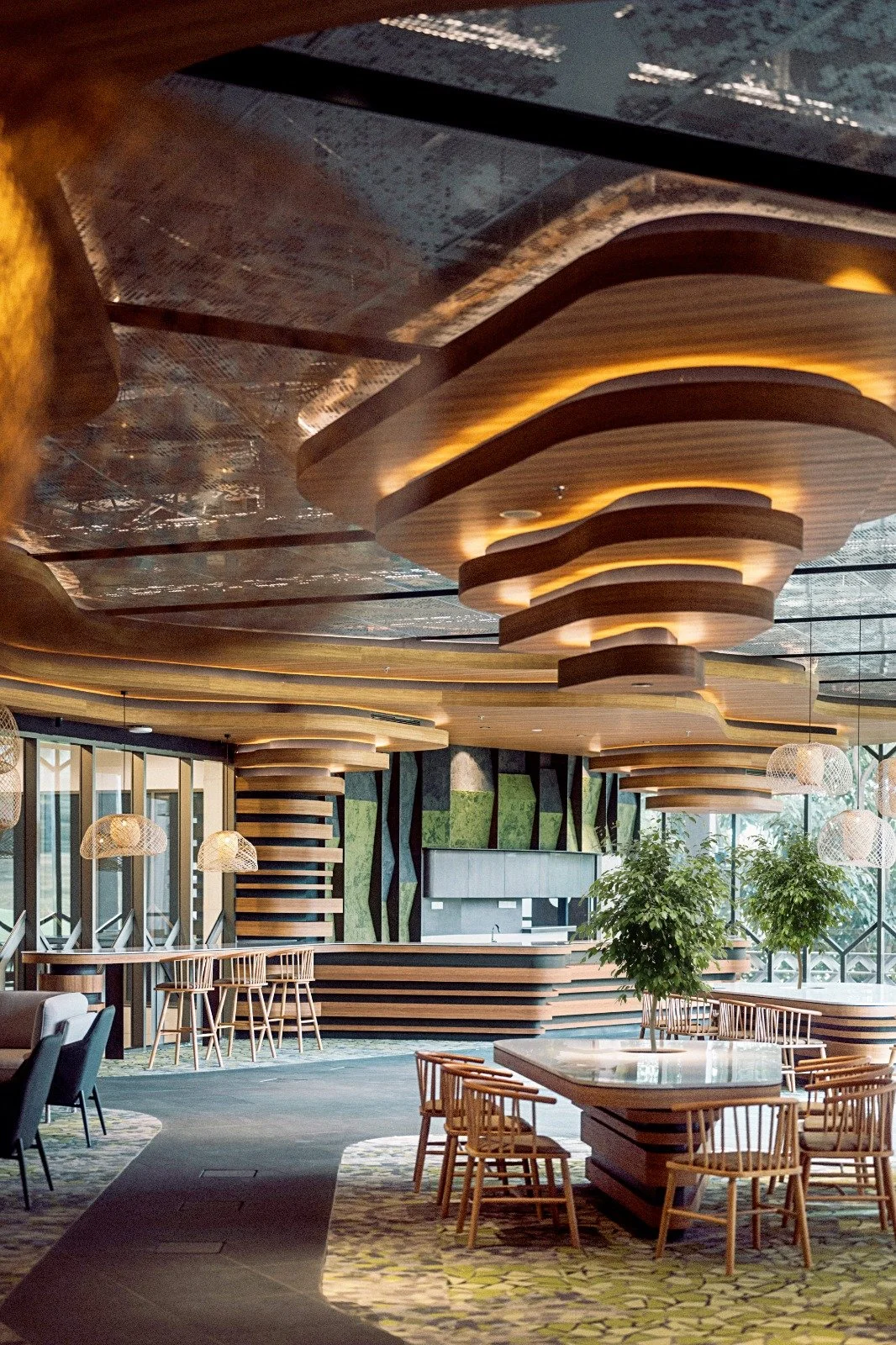
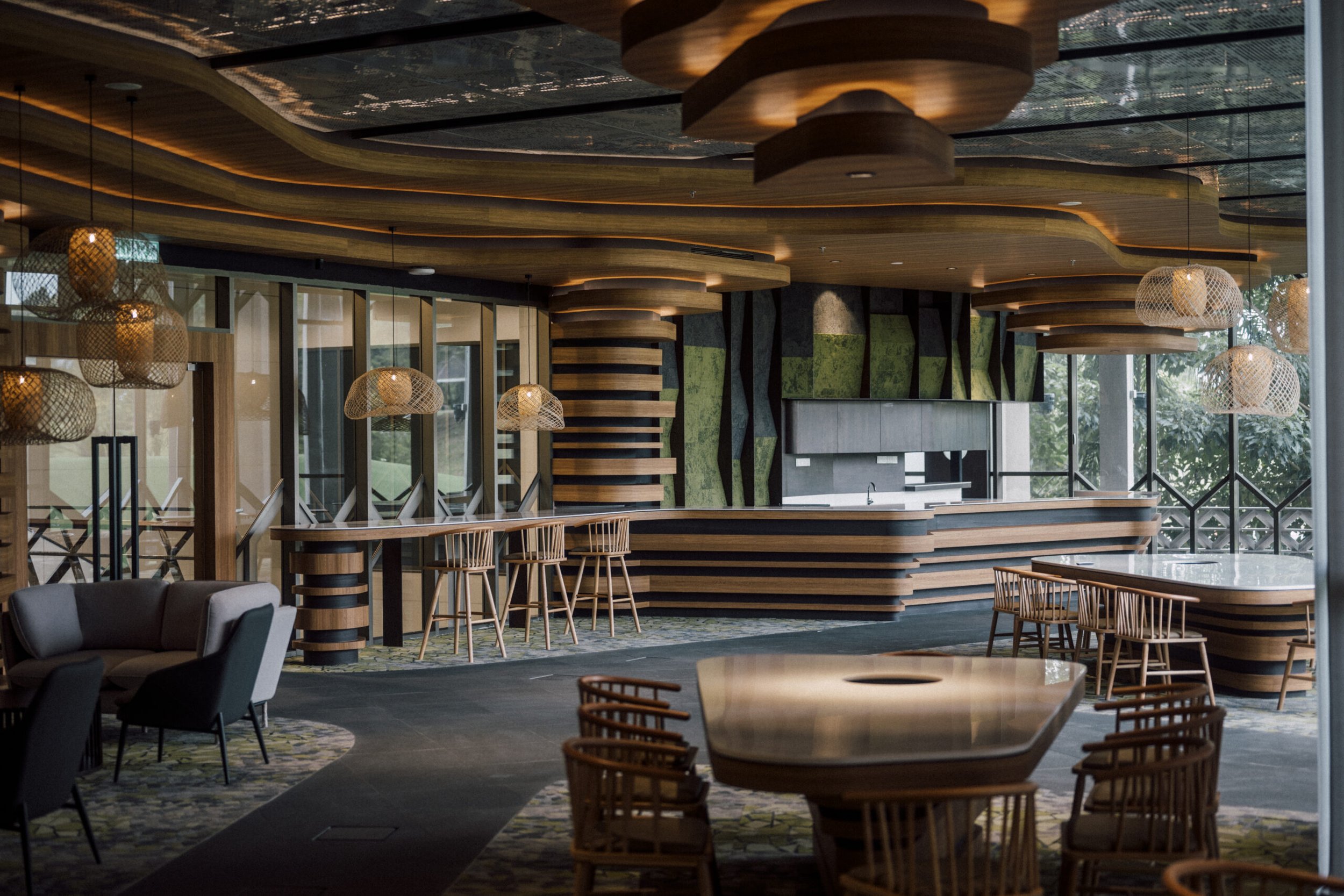
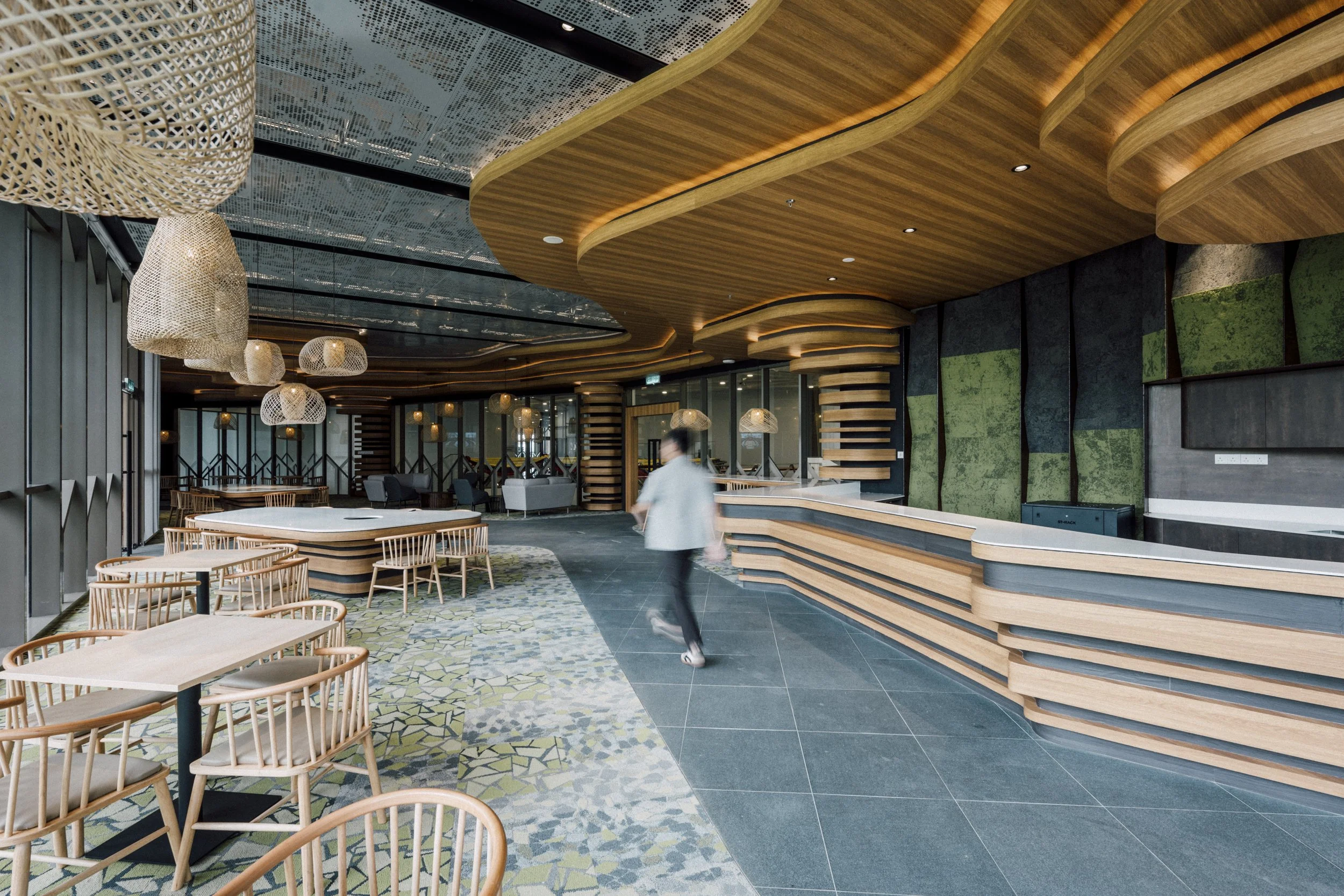
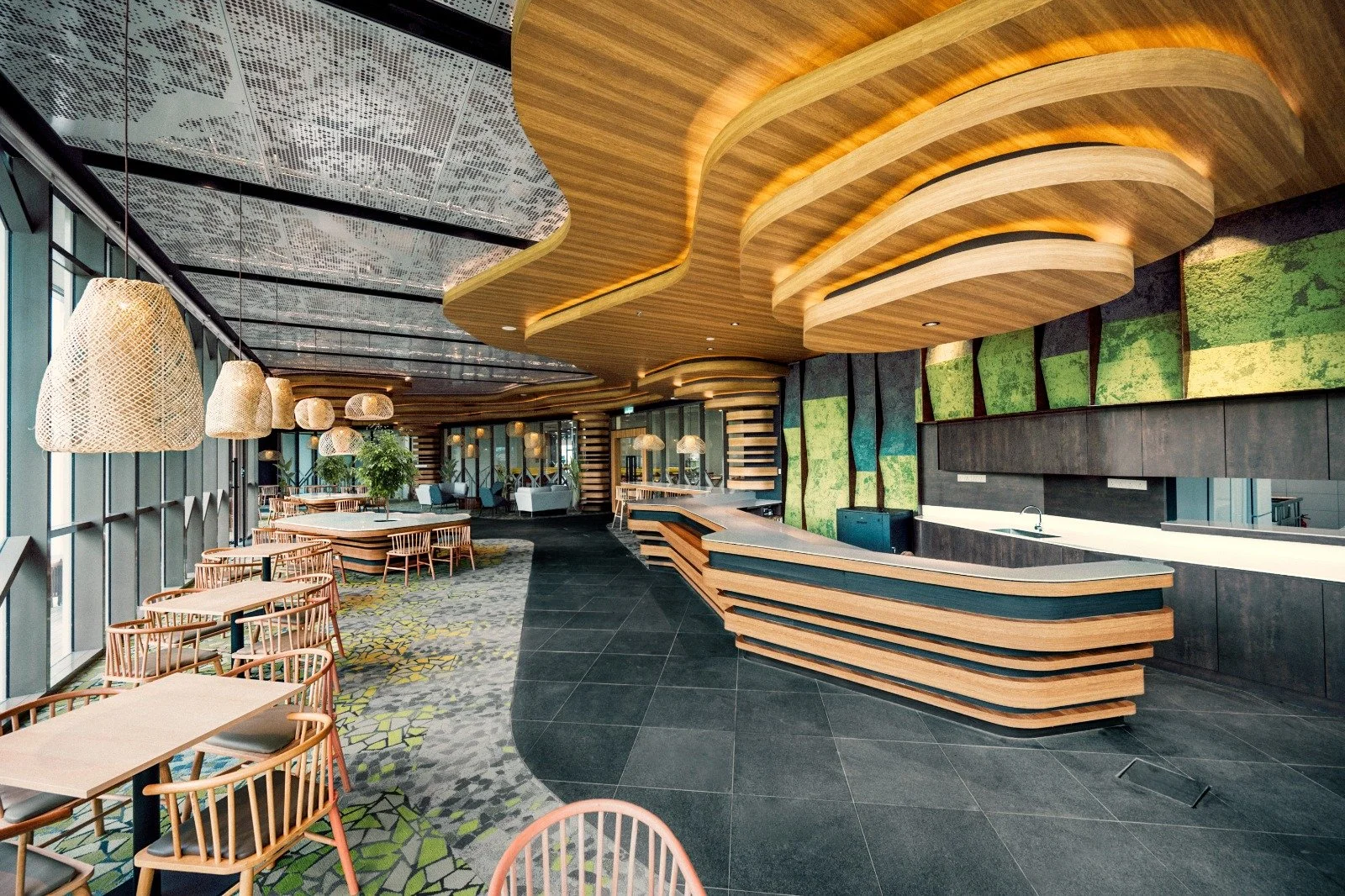
IDCA's response draws on images of the epic natural landscapes of Sarawak, as well as the rich visual and material culture of its peoples. The L2 Café and Media Centre is inspired by the cave systems of Niah and Mulu, which are significant as both natural wonders as well as, in the case of Niah, a cradle of primordial human culture.
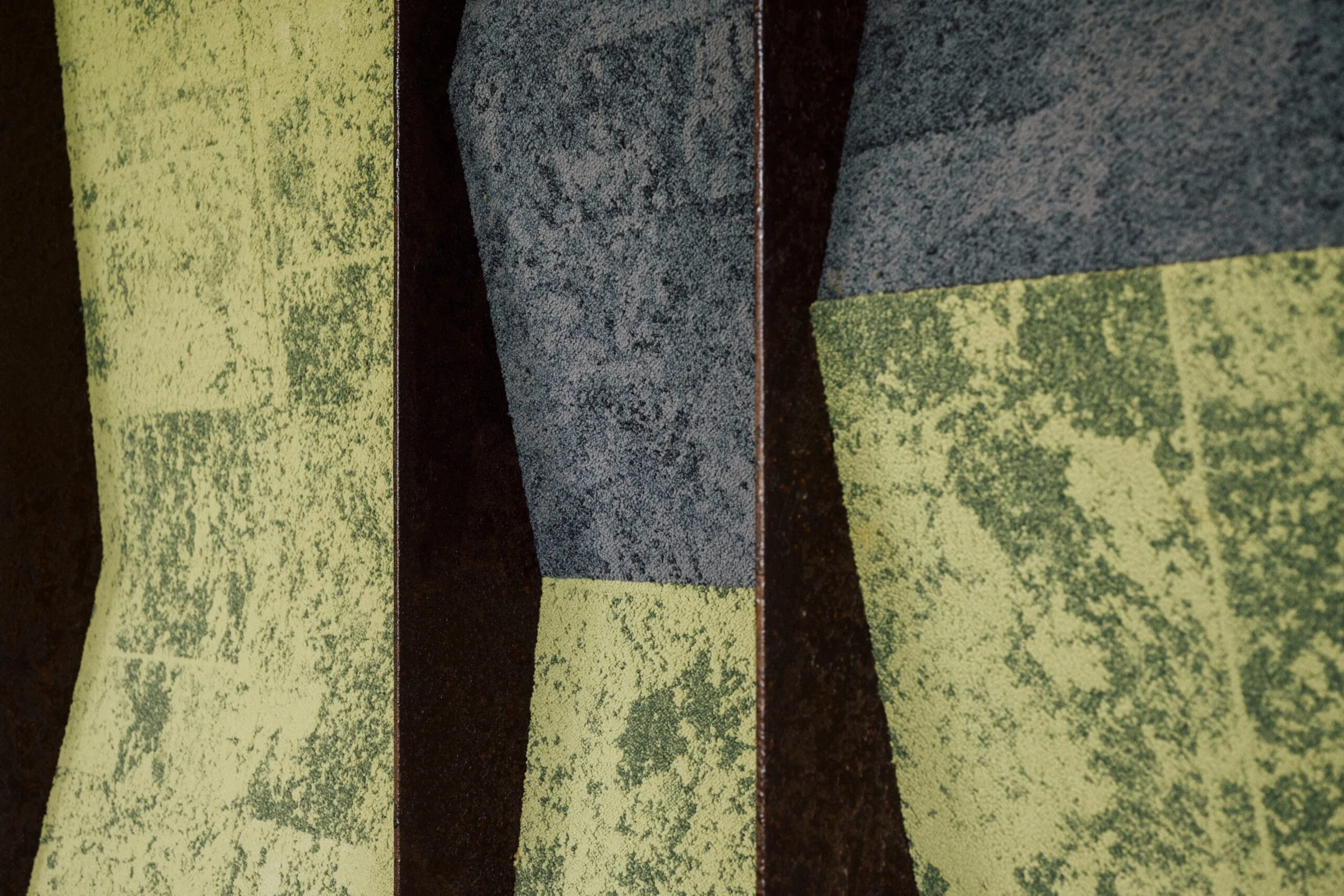
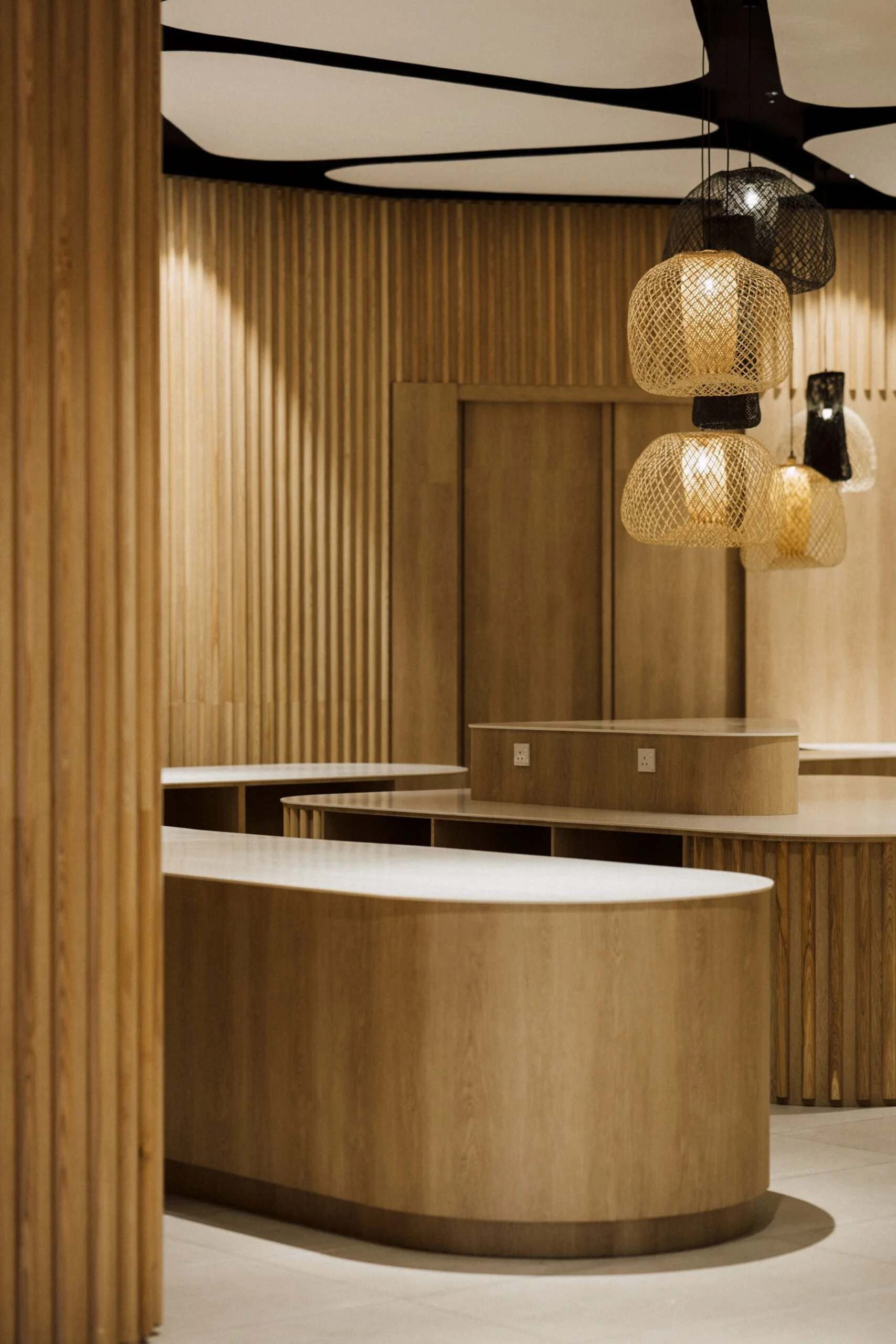
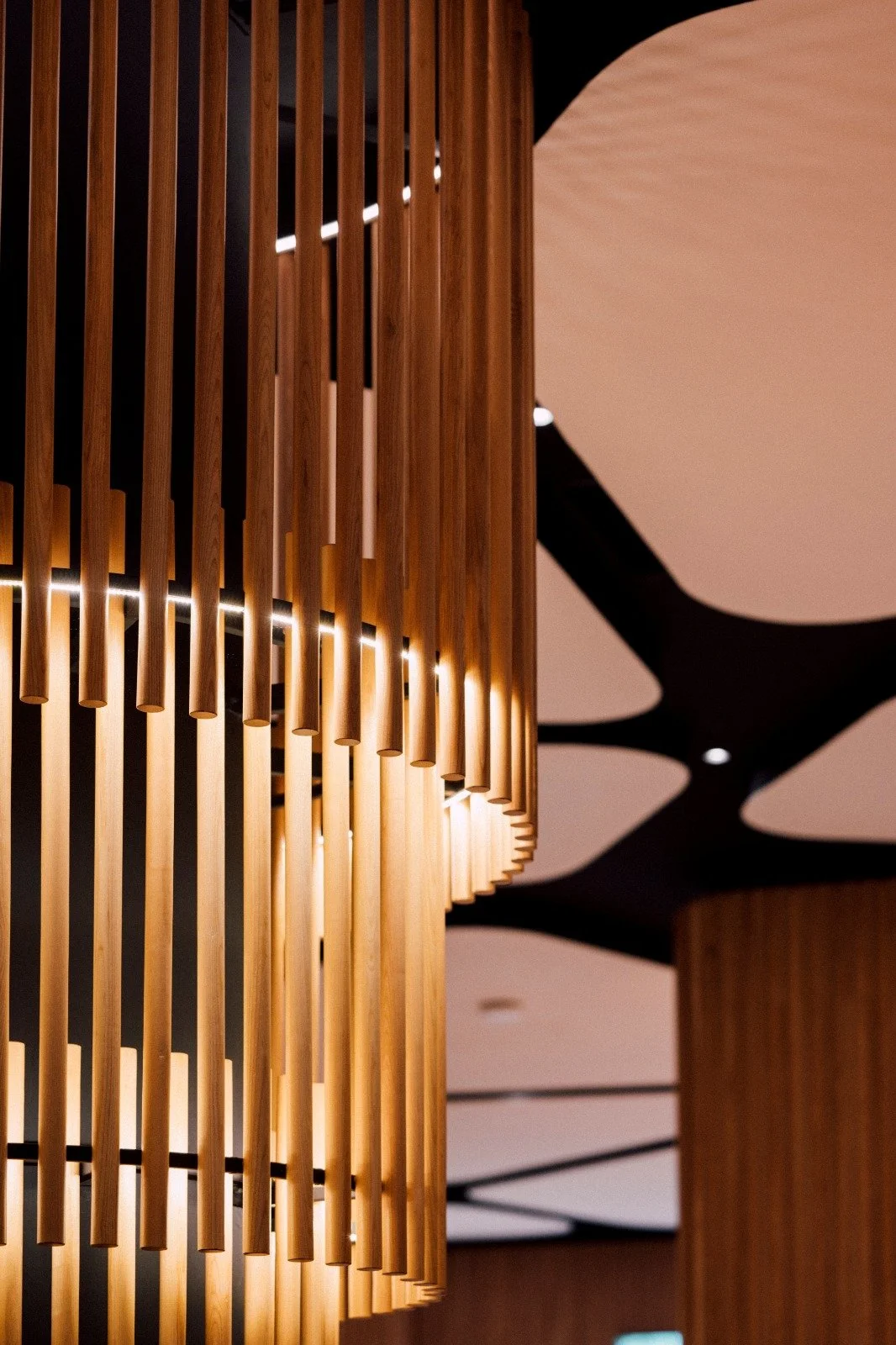
The design reflects the undulating walls and ceilings of these iconic caves, as well as the all-encompassing forest canopy that surrounds and intrudes into them. Patterned fabrics by Tanoti are also integrated into the walls of the Media Room, and the timber slats are inspired directly by dayak basketry.
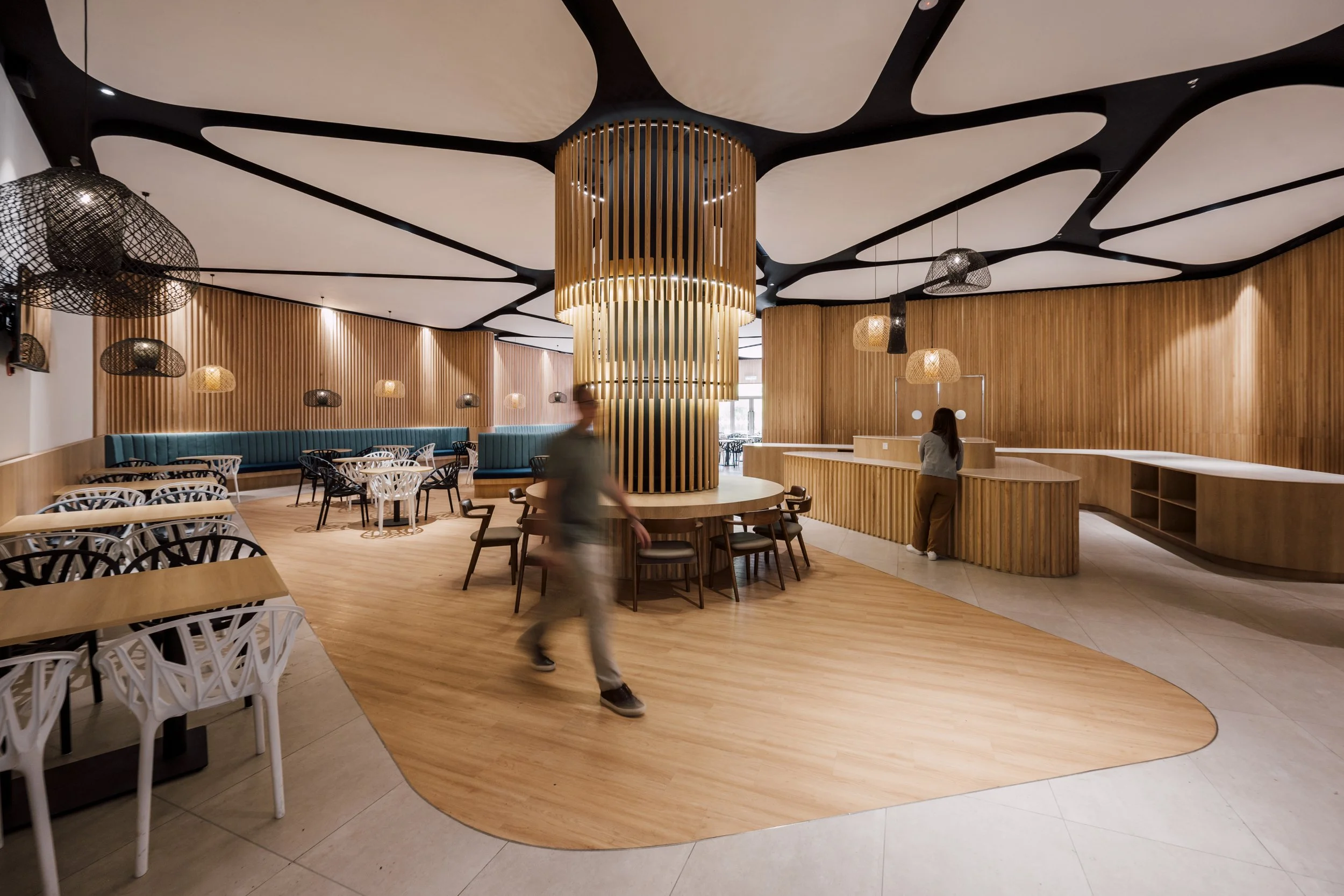
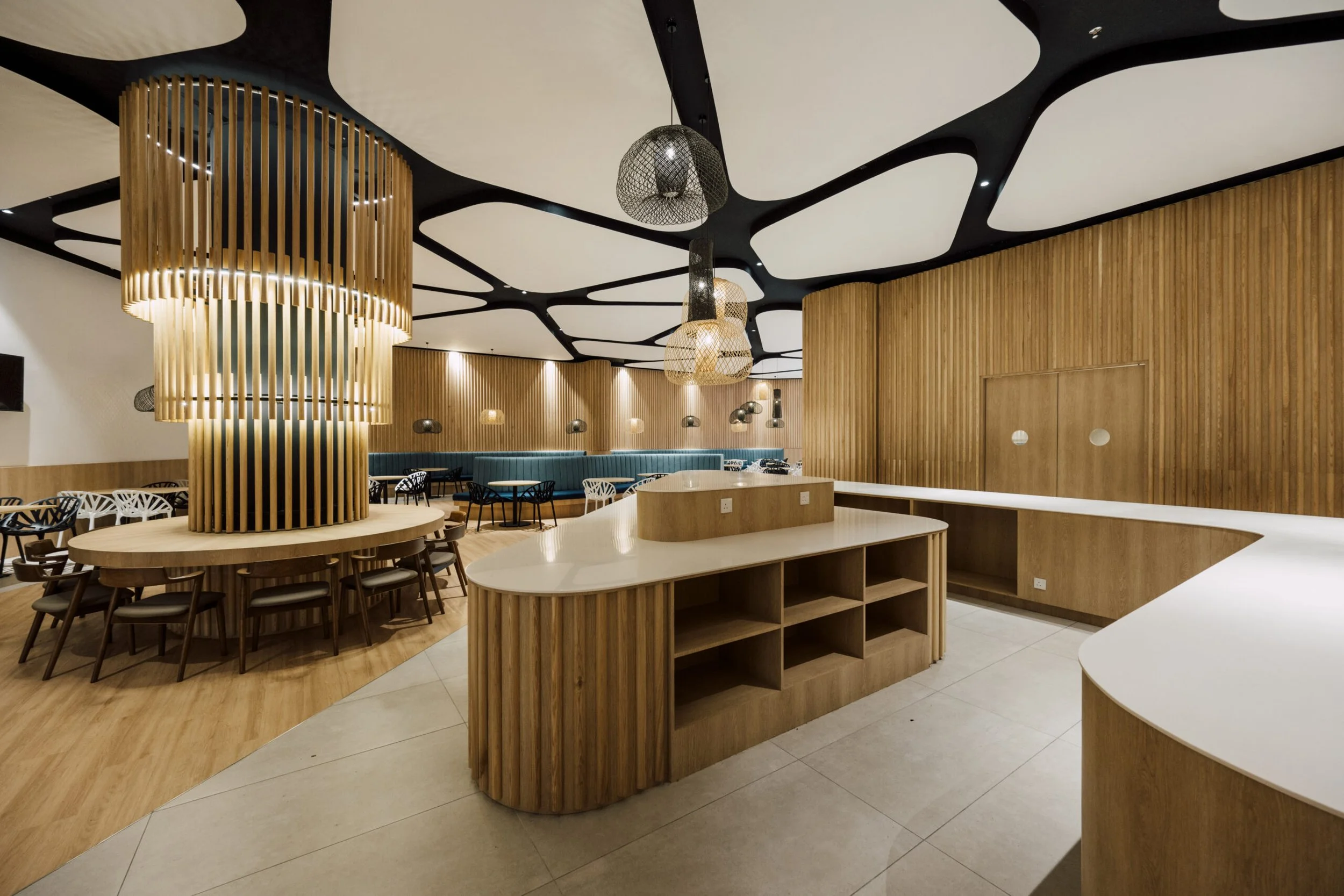
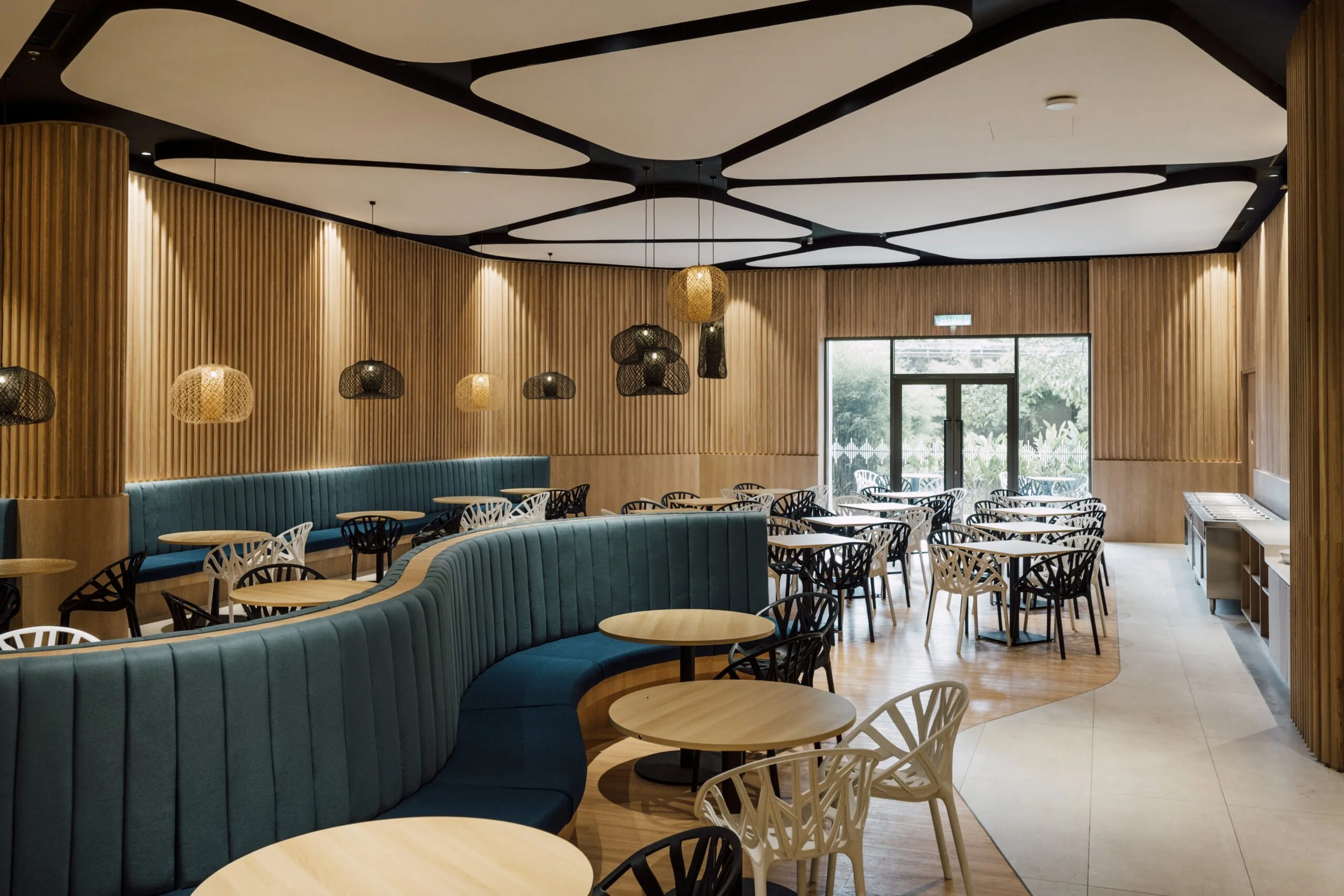
The L1 staff cafeteria is conceived as an oasis away from crowded DUN sessions. The once-dark space was opened up to the underused adjacent courtyard garden, providing natural light and ventilation as a much-needed foil against the hermetically-sealed air-conditioned interior. The interior draws inspiration from an abstracted forest glade — rounded timber panels, boulder-like fixed furniture, and a sculpted canopy ceiling create a calming, organic atmosphere that guides users toward the courtyard “forest” beyond.
Text by the architect
PROJECT GALLERY
-
Architect : IDC Architects
Client : Dewan Undangan Negeri Sarawak ( DUNS )
Area : 1627 m²
Project Location : Kuching | Sarawak
Year : 2025 -
M&E Engineer : Perunding CH Engineering
Contractor : Tele Kenyalang Engineering Sdn Bhd
Design Team : Ar. Alan Kor Loong Lau | Ar. Tina Lau Kor Ting | Lily Low | Ming Wung | Ivan Kong
Photography : Bong Chon Fan -
Wall | Wall Finishes
• Wall Covering : Tanoti Sdn Bhd
Ceiling | Ceiling Systems : DML Products ( Borneo ) Sdn Bhd
Lighting Design | Fittings : Justlight Sdn Bhd
Share this project