The Lighthouse Library
This Lighthouse Library project focuses on the remodelling of the library at SJK(C) Kampung Baru Ampang, located in the heart of Kampung Baru Ampang. Initiated by the Malaysian Social Entrepreneurs Foundation (MSEF), it aims to cultivate students’ reading habits by creating an interactive reading environment and promoting digital reading education. UCSI University's School of Architecture and Built Environment (SABE), together with Colllab, was appointed as the design team. The goal is to redefine book displays and seating arrangements in order to establish a model school library that enhances the learning experience for both teachers and students.
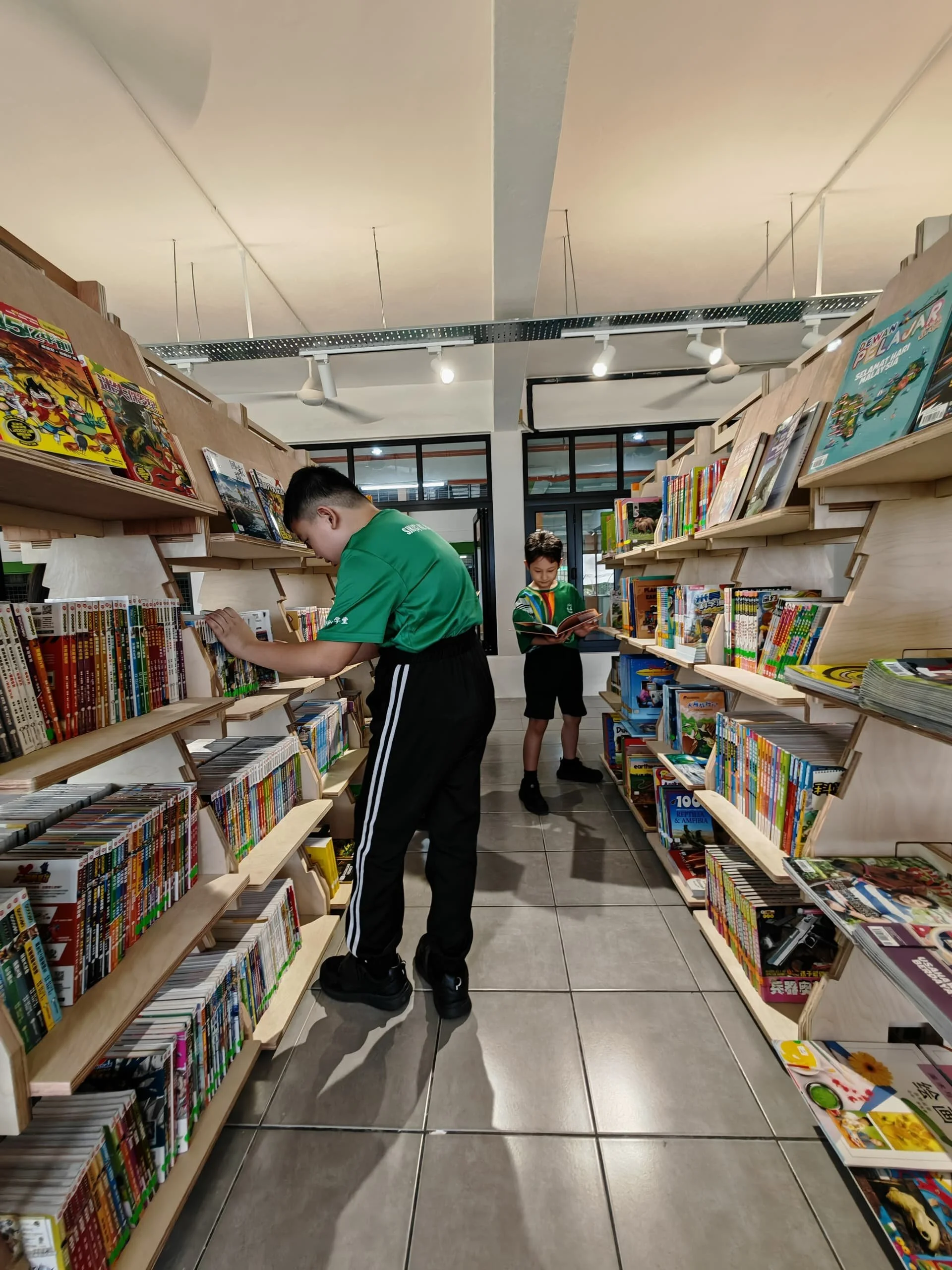
In most current primary and secondary school libraries, books are typically shelved with only the spines visible, making it inconvenient to display, sort, and locate titles. Another common feature of traditional libraries is the seating arrangement. Although the library is intended to be a quiet space, face-to-face seating often undermines this purpose, particularly in primary schools, where children tend to become excited when interacting with their peers.
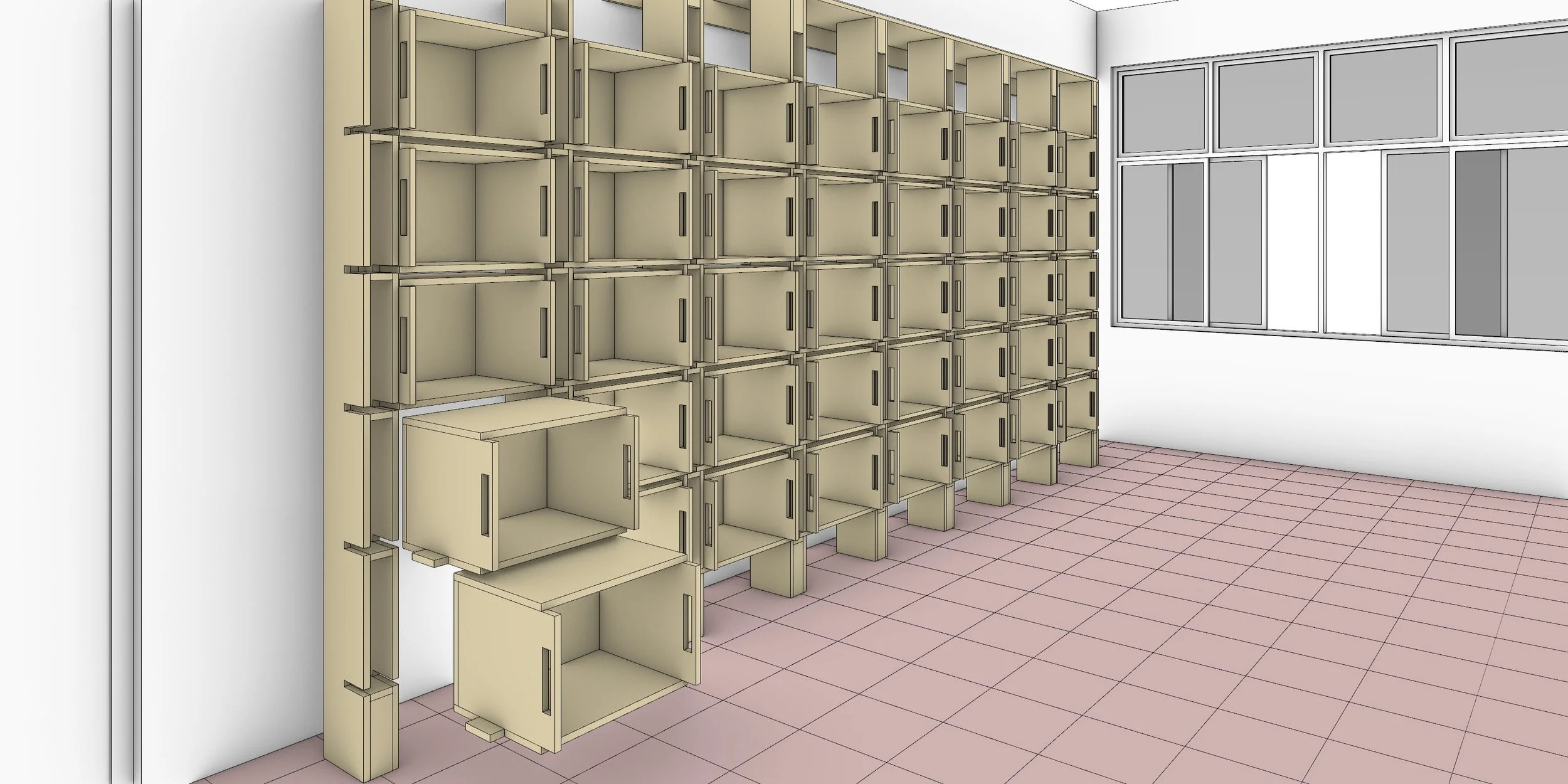
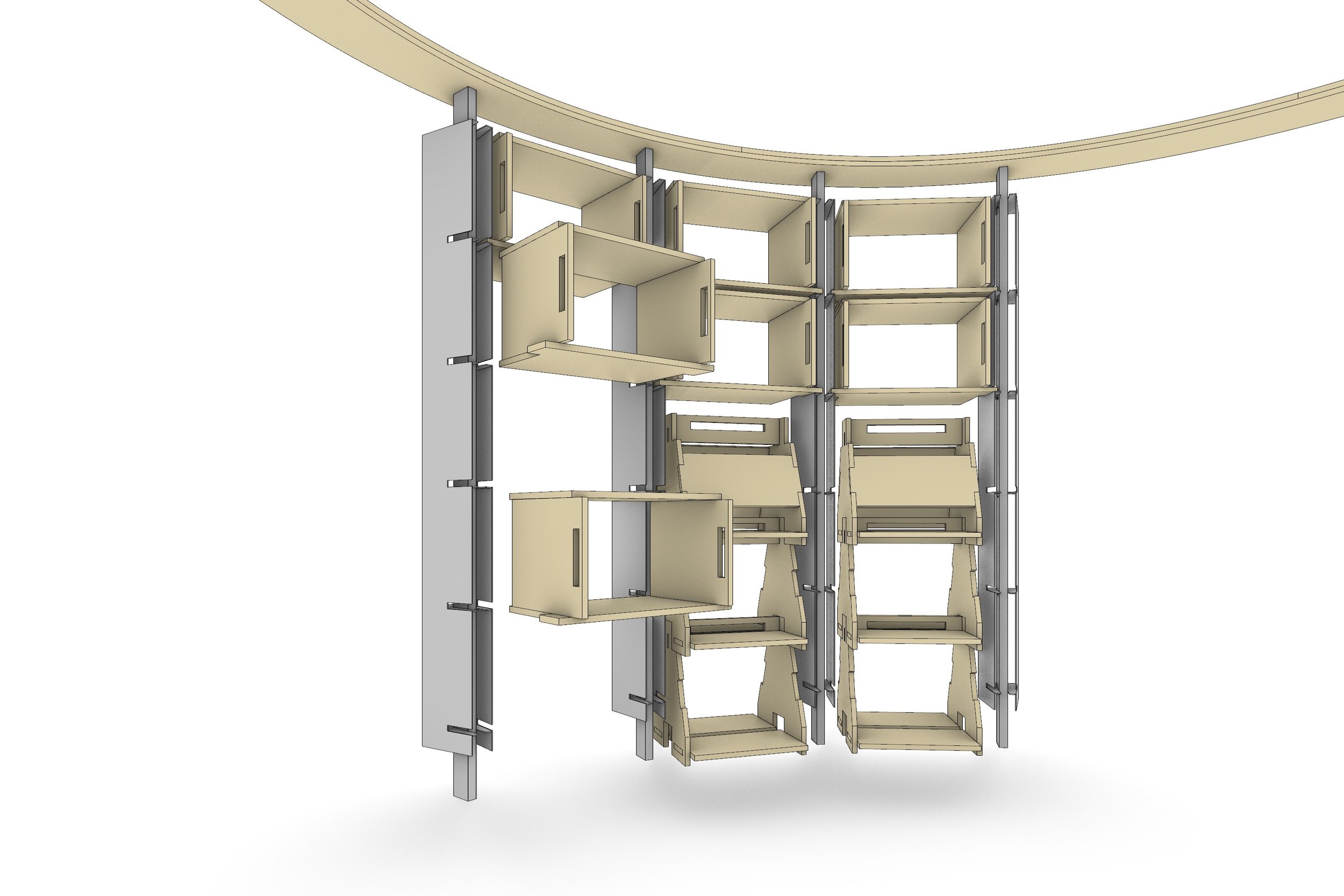
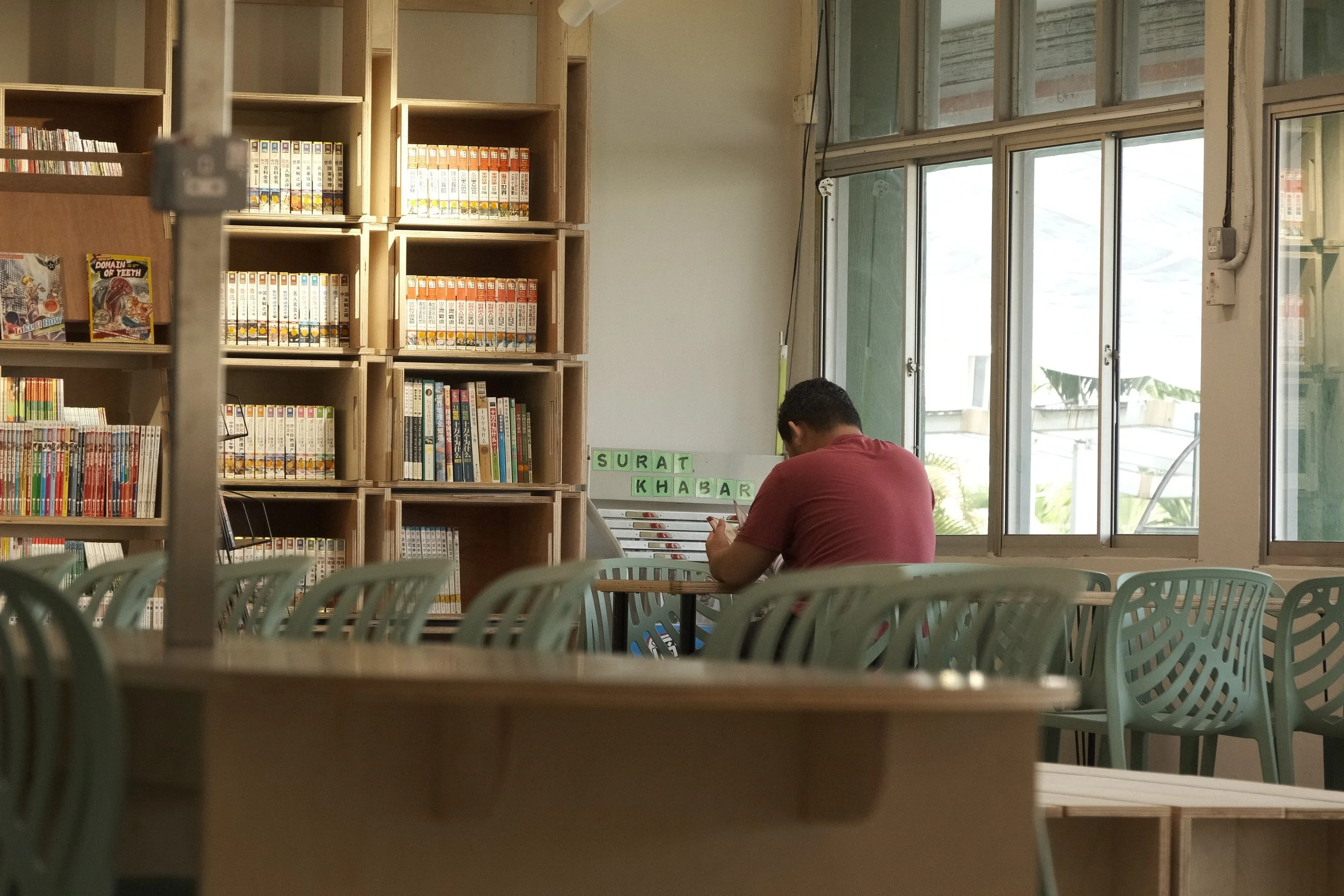
To address these challenges, the design emphasises modularity and openness. The use of modular elements enhances the spatial experience by allowing diverse shelf arrangements and display strategies. For example, the deliberate variation in the display layout attracts attention by creating visual hierarchies, increasing visibility, and enhancing the overall browsing experience.
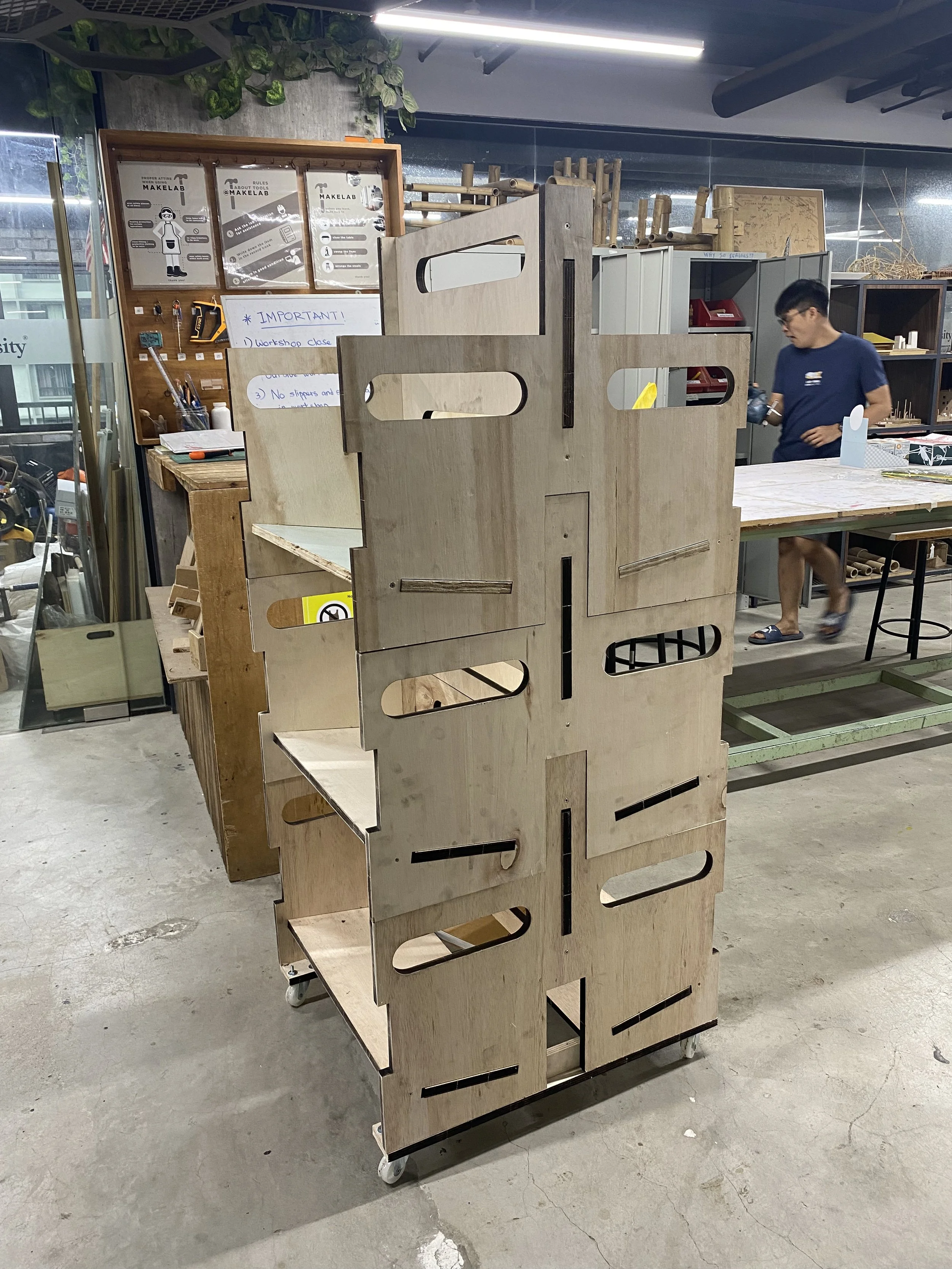
On 19th December 2024, the team conducted a user engagement activity involving a prototype of the modular shelves and two groups of primary school students. The younger group consisted of pupils from Years 1 to 3, while the older group included those from Years 4 to 6. This activity consisted of arranging books, testing the mobility of the stacked shelves, and collecting feedback from the library teacher. Observations revealed that the younger pupils enjoyed interacting with the modular shelves but found stacking difficult due to the size of each unit. In contrast, the older pupils were more capable of stacking and arranging the shelves. Feedback from the teacher further noted that the units were heavy, difficult to carry, and had sharp corners. In response to these insights, the team refined the modular shelves into smaller components to reduce weight and better suit the anthropometry of both students and teachers.
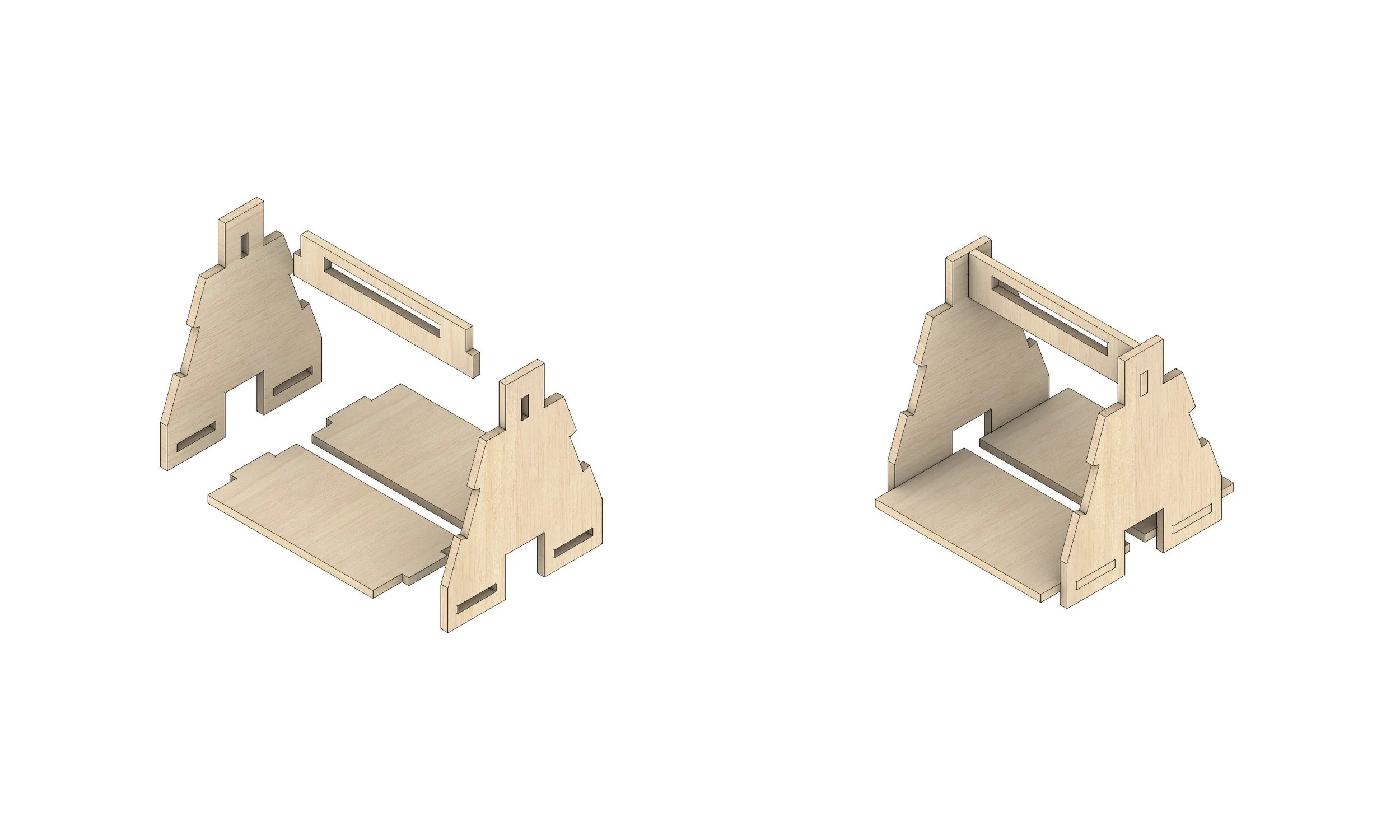
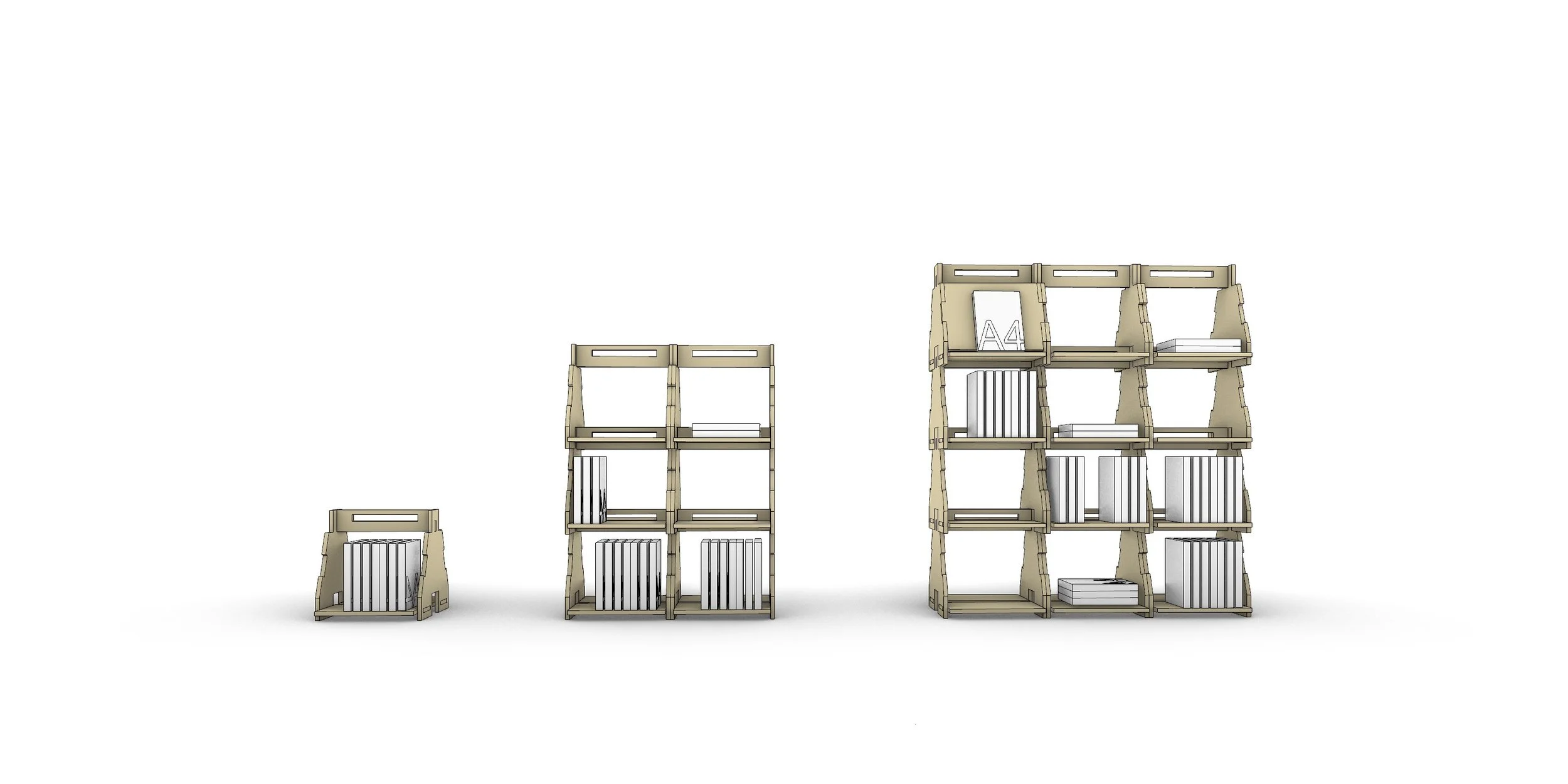
These modular units employ a slotting joinery method that ensures both simplicity and efficiency. This system allows the library to be reconfigured easily for various uses and functions. Timber plywood was chosen as the primary material for its benefits in flat-packing, enabling streamlined logistics and easy assembly. Each 4x8-foot plywood sheet is optimised to produce seven modular shelves, maximising material efficiency.
The configuration of the modular shelves falls into two categories:
Stacking system
Up to four units can be stacked to create a self-supporting structure, allowing flexible height configuration. When placed side by side, these units can also function as partitions.
Mobile shelves
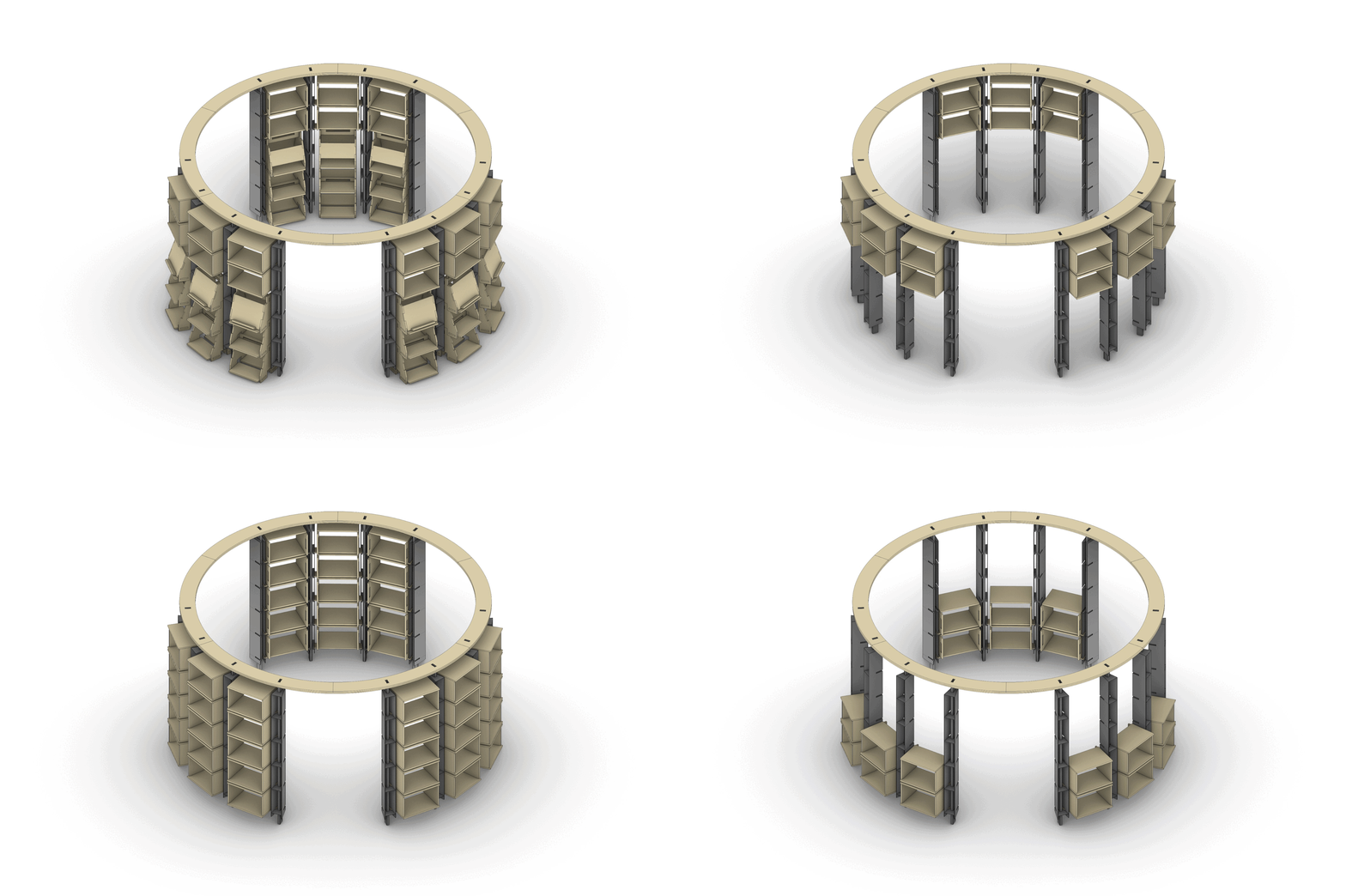
These modular shelves have wheels and are positioned between steel columns as part of the display system. This setup enables flexible and dynamic arrangements.
In addition, a new component has been incorporated into the module, providing a slanted surface for books to be displayed with their covers facing outward. To assist with topic navigation, an acrylic plug-in has been designed to serve as a labelling or categorisation aid.
The Lighthouse Library is more than just a place for study and learning. It is also a space designed for personal growth and development. Its launch serves as a demonstration of modular systems, highlighting the potential of flexible and adaptive design. Looking ahead, a post-occupancy evaluation will be essential to assess functionality and gather user feedback, thereby ensuring the long-term sustainability and relevance of its modular approach.
PROJECT GALLERY
-
Architect : UCSI University's School of Architecture and Built Environment (SABE) | Colllab
Client : SJK(C) Kampung Baru Ampang
Project Location : Kampung Baru Ampang, Ampang | Selangor
Year : 2025 -
Design Team (SABE) : Dr. Wong Leong Yee | Lim Ker Chwing | Asst. Prof. Teoh Chee Keong
Prototype Team (Colllab) : Oon Wu Han | Miao Annan | Goo Shu Han | Gasten Gan Yi Hong
Share this post